
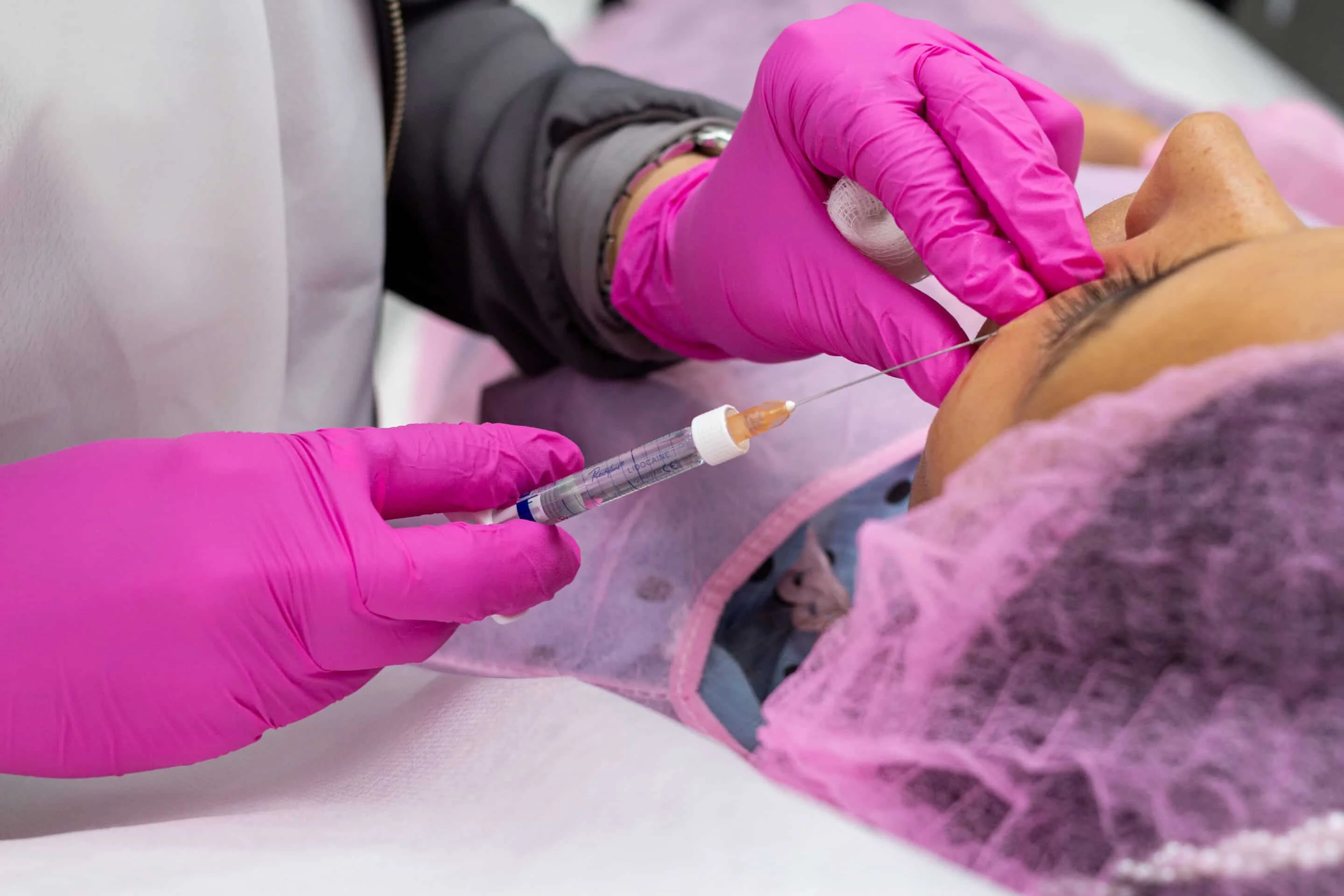
Botox has become a household name for anyone seeking a more youthful and rested appearance. However, many patients are surprised to learn about the sheer variety of concerns this injectable can address. Understanding what areas can Botox be used to treat is the first step in creating a personalized aesthetic plan that looks natural and effective.
Whether you are looking for a preventative Botox treatment or seeking to soften established lines, modern injection techniques allow for precision and artistry. By targeting specific muscle groups, skilled injectors can refresh your look without sacrificing your ability to express yourself.
Common Cosmetic Botox Treatment Areas
The most popular requests involve the upper face, where repetitive muscle movements create “dynamic” wrinkles. These are the lines that appear when you laugh, frown, or squint.
Forehead Lines
The horizontal lines that appear when you raise your eyebrows are one of the primary concerns addressed. By relaxing the frontalis muscle, a professional can smooth these lines for a calmer, more approachable look. It is important to balance this area carefully to ensure the brows remain at a natural height.
Glabellar Lines (The “11s”)
These are the vertical creases between your eyebrows. They often appear when you are concentrating or angry. Treating this area helps eliminate the “stressed” expression that many people develop over time, providing a smoother transition between the brows.
Crow’s Feet
The fine lines that fan out from the corners of the eyes are effectively softened with a targeted Botox treatment. This opens up the eyes and provides an instant brightening effect, especially when you smile.
Advanced and Specialized Treatment Areas
Beyond the “Big Three” areas mentioned above, aesthetic injectors use Botox to contour the lower face and neck, offering subtle but impactful changes.
Lip Flip
Unlike fillers that add volume, a “Lip Flip” uses a small amount of Botox to relax the muscles around the upper lip. This allows the lip to roll slightly upward, creating the appearance of a fuller, more defined lip without changing its actual size. It is a perfect option for those who feel their upper lip disappears when they smile.
Masseter Reduction (Jaw Slimming)
For patients who grind their teeth or have a very square jawline, masseter muscle injections can provide significant relief. Beyond the medical benefit of reducing tension, this procedure slims the lower face and creates a more delicate, V shaped facial profile.
Bunny Lines and Gummy Smiles
- Bunny Lines: These are the small crinkles that appear on the bridge of the nose when you smile or squint. A few units of Botox can smooth these out effortlessly.
- Gummy Smile: If you feel your upper lip rises too high, exposing too much gum tissue, Botox can relax that elevation for a more balanced and confident smile.
Platysmal Bands (The Nefertiti Lift)
The vertical bands in the neck can become more prominent as we age, pulling the lower face down. Relaxing these muscles can sharpen the jawline and provide a non surgical lift to the neck area, named after Queen Nefertiti for her legendary sleek neckline.
The Science of Rejuvenation: How It Works
When considering what areas can Botox be used to treat, it is helpful to understand the mechanism behind the results. Botox is a neuromodulator that temporarily blocks the nerve signals to specific muscles. When the muscle stops contracting with such force, the skin above it has a chance to smooth out. This not only treats existing wrinkles but also prevents deep, permanent folds from forming in the future.

What to Expect During Your Botox Treatment
Choosing a qualified provider is essential for a safe experience. Results typically appear within 3 to 7 days and can last anywhere from three to four months depending on your metabolism and the specific area treated. The procedure itself is quick, often referred to as a “lunchtime treatment,” with minimal discomfort and no required downtime.
Conclusion: Start Your Rejuvenation Journey
Understanding what areas can Botox be used to treat empowers you to make informed decisions about your skincare and aging process. From smoothing fine lines to sophisticated facial contouring, the possibilities for customization are extensive.
If you are ready to refresh your look with a professional Botox treatment, the team at Quick Aesthetics Med Spa in Allen, TX is here to help. Our experts specialize in natural-looking results that enhance your unique facial structure. Serving Allen, Plano, McKinney, and Collin County. Contact us today or book online to schedule your consultation and discover the best treatment plan for your aesthetic goals.
Related reading: Botox Cost in Allen TX | Botox in Allen TX | All Botox Services
Frequently Asked Questions
What areas can Botox be used to treat for preventative aging?
The most common preventative areas are the forehead and the glabella. By starting treatments before lines become “static” (meaning they are visible even when your face is at rest), you can maintain smoother skin for much longer.
How many units will I need for my Botox treatment?
Unit counts vary significantly based on the area and your individual muscle strength. Forehead lines may require 10 to 20 units, while crow’s feet typically require 5 to 12 units per side. A professional consultation is necessary for an exact estimate tailored to your face.
Is there any downtime after the procedure?
There is virtually no downtime. Most patients return to their daily activities immediately. However, you should avoid lying down, rubbing the treated area, or engaging in intense exercise for at least four hours following your appointment to ensure the product stays exactly where it was placed.
Can Botox be used for medical conditions?
Yes. In addition to cosmetic uses, Botox is FDA approved for treating chronic migraines, excessive sweating (hyperhidrosis), and TMJ disorders by relaxing the overactive muscles or glands responsible for those conditions.