Understanding Your Options: What Is a Lip Filler?

Understanding Your Options: What Is a Lip Filler?

Lip Filler

If you have ever looked in the mirror and wished for more volume or symmetry in your smile, you have likely asked yourself: what is a lip filler? Lip enhancement has become one of the most requested cosmetic treatments for residents in Allen TX. However, with so much information available, it is important to separate fact from fiction.

At Quick Aesthetics Med Spa, we prioritize beautiful, natural results for our local community. Whether you live in Allen, McKinney, or Plano, understanding the options for these injectables is the first step toward a more confident you.

Defining the Treatment: What Is a Lip Filler Exactly?

To answer the question what is a lip filler, we must look at the science behind the volume. A Lip Filler is a type of dermal injectable designed to increase the fullness and shape of the lips. In 2026, the gold standard for this treatment in Allen Texas is Hyaluronic Acid (HA).

Hyaluronic acid is a substance naturally produced by your body that retains moisture and keeps tissues lubricated. When used in a Lip Filler Injection, it provides a soft, pliable, and natural feeling result. Brands like Juvederm and Restylane are the most common HA fillers used to create volume and structure while maintaining the natural movement of your mouth.

Choosing Your Style: Popular Lip Filler Goals in Allen TX

When people ask what is a lip filler, they are usually looking for a specific aesthetic outcome that fits their lifestyle. Depending on your facial structure, our experts in the Allen area can customize the injection technique to achieve several different looks:

  • The Subtle Pout: Ideal for first time patients who want a “hydration” boost without a drastic change in size.
  • Symmetry Correction: We focus on balancing an uneven upper or lower lip to create a more harmonious smile.
  • The Defined Border: By focusing on the vermillion border, we can enhance the “Cupid’s Bow” and make your lip line pop.
  • Volume Restoration: For mature patients in Allen, a Lip Filler can restore lost volume and smooth vertical lines around the mouth.

How the Lip Enhancement Process Works

Knowing what is a lip filler also involves understanding the experience in the chair. Many first time patients are surprised by how quick and straightforward the process is at our clinic serving the Allen TX community.

1. The Initial Consultation

Every treatment starts with a personalized assessment. We discuss your aesthetic goals and look at your unique facial anatomy to ensure the Lip Filler complements your other features perfectly.

2. Numbing and Comfort

To ensure your comfort, we apply a high grade topical numbing cream. Most modern Hyaluronic Acid products also contain lidocaine, which further minimizes any sensation during the injection process.

3. The Injection Technique

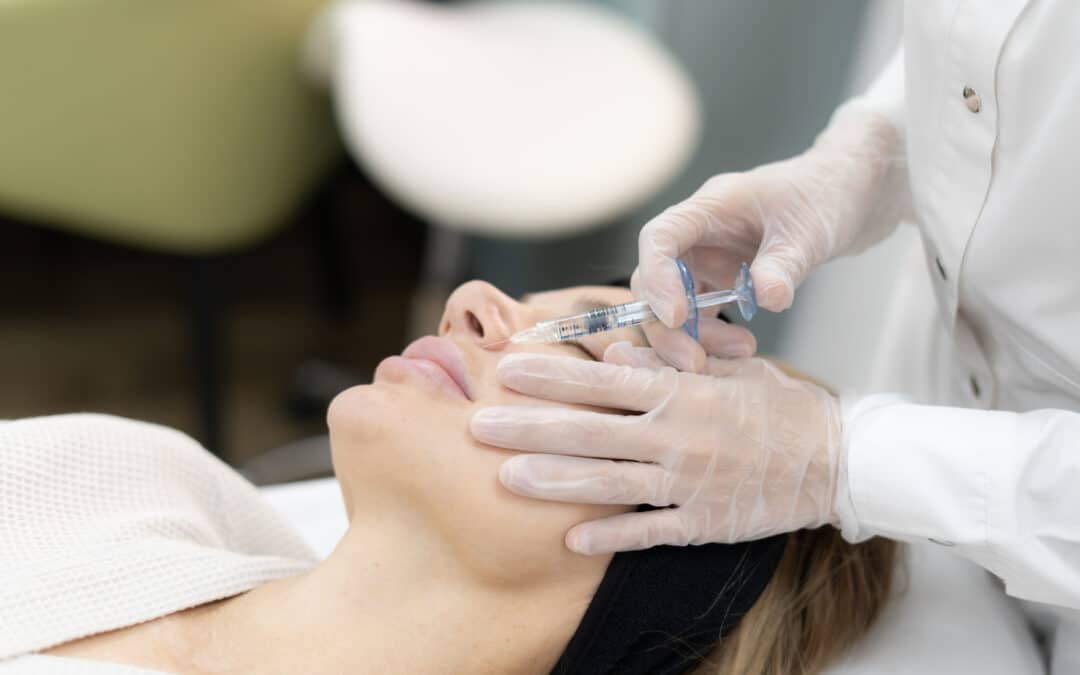
A skilled injector uses precise techniques to place the filler into specific areas of the lip. This ensures the product settles evenly, avoiding the “duck lip” look and focusing instead on a refined, polished appearance.

Lip Filler

Optimizing for Your Best Results

To get the most out of your treatment, you should follow specific aftercare steps. For the first 24 hours after you receive your Lip Filler in Allen, avoid:

  • Intense exercise or heavy lifting
  • Excessive heat like saunas or hot tubs
  • Touching or massaging the injection site
  • Putting unnecessary pressure on the lips

By following these simple rules, you reduce the risk of bruising and swelling, allowing your new smile to settle perfectly into its natural shape.

Frequently Asked Questions (FAQs)

What is a lip filler made of?

Most modern fillers are made of Hyaluronic Acid. This sugar molecule, found naturally in the skin, helps maintain volume by holding onto water, making it a safe and effective choice for the lips.

How long do lip fillers last?

Results typically last between 6 to 12 months. Your body gradually breaks down hyaluronic acid over time, so maintenance sessions are recommended to maintain your desired look.

Is the lip filler procedure painful?

Most patients in Allen TX describe the sensation as a quick pinch or pressure. With topical numbing and the lidocaine already inside the filler, the discomfort is very manageable for most people.

Can a lip filler look natural?

Absolutely. A natural look is our specialty. The “overfilled” look is usually the result of poor technique. We focus on enhancing your natural shape rather than changing it entirely.

What is the difference between a lip flip and a lip filler?

A lip flip uses Botox to relax the muscles around the mouth, causing the lip to “flip” upward for a subtle look. A Lip Filler adds actual volume and structure using a gel.

Enhancing Your Confidence in Allen Texas

Now that you know what is a lip filler, the next step is a personalized consultation. At Quick Aesthetics Med Spa, we take pride in helping our neighbors in Allen, Fairview, and Parker feel their absolute best.

Ready to transform your smile? Contact us today to learn more about our Lip Filler services and schedule your appointment with our expert team right here in the Allen, TX area.

The Truth About Injectables: Are Botox and Fillers Bad for You?

The Truth About Injectables: Are Botox and Fillers Bad for You?

Lip filler

When considering a cosmetic refresh, the most common concern for many patients is: Are Botox and fillers bad for you? The short answer is no. These treatments are generally safe when performed by a trained medical expert using proper techniques and FDA approved products. However, like any medical or cosmetic procedure, there are risks if the provider lacks the necessary expertise.

At Quick Aesthetics Med Spa, we believe that safety, skill, and natural results always come first. Whether you are in Allen, Plano, or McKinney, choosing a qualified medical provider matters more than the treatment itself. In this guide, we will help you understand the safety of Botox and Fillers, what to watch for, and how to make the best choice for your health and appearance.

What Are Botox and Dermal Fillers?

Understanding the difference between these two Botox and Filler Services is the first step in realizing why they are considered safe for the general population. While both are injectables, they serve very different roles in your aesthetic journey.

How Botox Works

Botox is a refined botulinum toxin. It works by temporarily relaxing the facial muscles that cause dynamic wrinkles such as crow’s feet, frown lines, and forehead lines. When these muscles contract less forcefully, the skin appears smoother. Beyond aesthetics, Botox is also used for medical conditions like migraines and excessive sweating.

How Dermal Fillers Work

A Dermal Filler is injected beneath the skin to restore volume loss, smooth facial lines, and enhance features. Most modern fillers are made from Hyaluronic Acid, a naturally occurring substance in your body that helps hydrate and plump the skin. Common areas for treatment include:

  • Lips and Cheeks
  • Chin and Jawline
  • Smile lines (Nasolabial folds)

Are Botox and Fillers Safe for You?

Many people search for answers like “Are Botox and fillers bad for you?” because they worry about long term effects. The reality is that these injectable treatments are regarded as highly safe when administered by a competent medical professional.

Why They Are Generally Safe

  1. FDA Approval: Both Botox Cosmetic and major filler brands (such as Juvederm and Restylane) have undergone rigorous testing.
  2. Cosmetic Dermatology Research: Decades of clinical data support the use of these products for long term facial rejuvenation.
  3. Non Surgical Nature: With minimal downtime, these treatments avoid the higher risks associated with general anesthesia and invasive surgery.

Most patients return to their normal daily activities within the first 24 hours after their Botox and Fillers session.

Potential Side Effects and Risks to Consider

While the question “Are Botox and fillers bad for you?” usually results in a “no,” it is important to be aware of potential side effects.

Common and Temporary Side Effects

These typically resolve within a few days:

  • Slight bruising or redness at the injection site
  • Mild swelling or tenderness
  • A temporary headache following Botox injections

Rare but Serious Risks

These are very uncommon, especially when using a skilled injector:

  • Eyelid Droop: Can occur if Botox migrates to unintended muscles.
  • Vascular Occlusion: A rare event where filler is accidentally injected into a blood vessel. A skilled injector understands facial anatomy and carries a dissolving agent to reverse this immediately.
  • Allergic Reactions: Though rare, a thorough review of medical history helps prevent these incidents.

Botox

When Can Botox and Fillers Be Bad for You?

The “bad” reputation of injectables usually stems from specific situations where safety protocols are ignored.

  • Unlicensed Injectors: Choosing a provider based solely on the lowest price often leads to poor outcomes.
  • Non-FDA Approved Products: Using “black market” or “bootleg” fillers is extremely dangerous and can cause permanent damage.
  • Skipping Consultations: A proper Medical History Review is mandatory to ensure you do not have contraindications.
  • Over-Treatment: Using too much product can lead to an unnatural, “frozen” look, so a conservative approach is always better.

Benefits of Choosing Professional Injectable Treatments

When done correctly, these cosmetic treatments offer life changing benefits that go beyond simple vanity.

  • Restored Volume: Fillers can reverse sagging and volume loss associated with natural aging.
  • Preventative Care: Many younger patients use Preventative Botox to stop deep wrinkles from forming in the first place.
  • Balanced Features: Subtle lip fillers or chin contouring can create a more harmonious facial profile.
  • Confidence Boost: Feeling refreshed and youthful often leads to increased self esteem.

Frequently Asked Questions (FAQs)

Are Botox and fillers bad for you long term?

No. When administered correctly by a licensed professional, long term use is considered safe. Many patients maintain their results for decades without systemic health issues.

Can Botox or fillers cause permanent damage?

Permanent damage is extremely rare. Most side effects are temporary and reversible. For example, Hyaluronic Acid Fillers can be dissolved with an enzyme called hyaluronidase if a patient is unhappy or a complication occurs.

Do fillers stay in your body forever?

No. Your body naturally breaks down and absorbs the filler over time. Depending on the product used, results typically last between 6 to 18 months.

What should I avoid after my injections?

To ensure the best results, avoid heavy exercise, excessive heat (such as saunas), and lying face down for 4 to 24 hours after your treatment.

Is Botox safe for first time users?

Yes. Botox is a safe and effective solution for first time patients. We often recommend a “baby Botox” approach for beginners to achieve a subtle, refreshed look.

Final Thoughts: Are Botox and Fillers Worth It?

So, Are Botox and fillers bad for you? The truth is they are powerful tools for self expression and aging gracefully. They are not “bad” when used responsibly. The real risk comes from poor technique and unqualified providers.

Ready to feel confident in your skin? At Quick Aesthetics Med Spa, we proudly serve the communities of Allen, Fairview, Frisco, and McKinney. Every treatment we perform is customized to your unique anatomy and safety.

Contact us today to schedule your consultation and learn how safe, natural-looking results can enhance your life.

What is Preventative Botox? A Complete Guide to Early Anti-Aging

What is Preventative Botox? A Complete Guide to Early Anti-Aging

Preventative Botox

Maintaining a youthful and vibrant appearance has shifted from “fixing” wrinkles to “preventing” them entirely. If you have noticed the first signs of faint lines or want to keep your skin smooth for years to come, you might be asking what is preventative botox? This proactive approach to skincare is becoming the gold standard for individuals in their 20s and 30s who want to maintain their natural beauty without drastic changes later in life.

At Quick Aesthetics Med Spa, we specialize in helping clients across the Dallas Fort Worth area understand how Preventative Botox works to preserve skin elasticity and prevent deep set creases.

Defining the Treatment: What is Preventative Botox?

To put it simply, what is preventative botox is a strategy where small amounts of neurotoxins are used to relax facial muscles before permanent wrinkles have a chance to form. Traditional Botox typically treats static wrinkles, which are lines visible when your face is at rest. In contrast, Preventative Botox targets dynamic wrinkles, which are the lines that appear only when you smile, frown, or squint.

By relaxing these muscles early, you stop the repetitive folding of the skin that eventually leads to deep, permanent furrows. This method acts as a shield for your skin, keeping the surface smooth and line free.

How Early Anti Aging Injections Work

The science behind Preventative Botox is rooted in muscle memory. Every time you express an emotion, your facial muscles contract. Over decades, these thousands of contractions break down collagen and create etchings in the skin.

When you receive a preventative injectable treatment, the neurotoxin temporarily blocks the nerve signals to specific muscles. This reduces the intensity of the muscle contraction, meaning the skin on top does not fold as deeply. Over time, this preserves the integrity of your skin and prevents the need for more aggressive dermal fillers or surgical procedures in the future.

Key Benefits of Starting Botox Early

Choosing a proactive path offers several advantages for your long term skincare routine:

  • Prevents Deep Creases: It stops lines from becoming permanent fixtures on your face.
  • Natural-Looking Results: Using “Baby Botox” or smaller doses helps you maintain facial movement while smoothing the skin.
  • Cost Effective: Regular maintenance often requires fewer units over time compared to correcting deep, established wrinkles.
  • Boosts Skin Confidence: Clients often report feeling more refreshed and restored without looking like they had work done.

Ideal Areas for Preventative Treatment

Most clients focus on the expressive zones of the face, where lines tend to appear first. Common areas for Preventative Botox include:

  1. Forehead Lines: The horizontal ripples that appear when you raise your eyebrows.
  2. Glabellar Lines: Also known as 11 lines between the brows.
  3. Crow’s Feet: The small fan like lines at the corners of the eyes.
  4. Bunny Lines: Fine crinkles on the bridge of the nose.

The Best Age to Start Preventative Treatments

There is no magic number for everyone, but most dermatological experts suggest looking at your skin rather than the calendar. Many individuals begin exploring Preventative Botox in their mid 20s or early 30s. If you notice that lines from squinting or smiling are starting to linger slightly longer than they used to, it may be the perfect time to consult with a professional.

Botox

What to Expect During Your Session

A typical preventative aesthetic treatment is quick and requires virtually no downtime.

  • Consultation: Your provider assesses your facial expressions and skin thickness.
  • Precision Injections: Microdoses are injected into the target muscles.
  • Aftercare: You can return to your normal activities immediately, though you should avoid heavy exercise for 24 hours.

Frequently Asked Questions

What is preventative botox vs regular botox? Regular Botox is used to soften wrinkles that are already visible at rest. Preventive Botox is applied to younger skin to prevent those lines from becoming permanent by relaxing the muscles responsible for dynamic expressions.

Does preventative botox make you look frozen? No, when performed by a skilled injector, Preventative Botox uses smaller amounts of product to ensure you still have natural expression. The goal is to look refreshed, not frozen.

How often do I need preventative treatments? Most clients find that scheduling a session every 3 to 4 months is ideal for maintaining the preventative effects and keeping the skin smooth.

Is it bad to start Botox in your 20s? Starting in your 20s is generally safe and often recommended for those with highly expressive faces. It is a proactive way to manage early signs of aging before they require more intensive correction.

Will my wrinkles get worse if I stop Botox? No, if you stop receiving Preventative Botox, your muscles will simply regain their full strength over time, and your skin will begin to age at its normal biological rate. Your wrinkles will not be “worse” than they would have been without treatment.

Conclusion: Investing in Your Future Skin

Understanding what is preventative botox allows you to take control of the aging process on your own terms. Instead of waiting for wrinkles to define your look, you can maintain a smooth, rested, and youthful appearance through strategic, early interventions.

If you are ready to explore how Preventative Botox can enhance your skincare journey, the team at Quick Aesthetics Med Spa is here to provide expert guidance tailored to your unique facial structure.

Want to stay ahead of the aging process? Visit Quick Aesthetics Med Spa or call us today to schedule your consultation and discover the power of preventative skincare!

Professional Guide: Are Med Spa Injections Painful for First Timers?

Professional Guide: Are Med Spa Injections Painful for First Timers?

Med-Spa

Many people ask, “Are med spa injections painful for first-timers?” The short answer is no; most people feel only mild discomfort, not real pain. Many first-time clients are surprised at how quick and easy the experience is. At Quick Aesthetics Med Spa, patients often say the fear is worse than the actual injection. If you are considering your first visit to a medical spa, knowing what to anticipate can help you feel relaxed, prepared, and confident.

Understanding Med Spa Injections and Their Purpose

Med spa injections, commonly known as injectables, are cosmetic procedures that enhance your natural beauty, add volume, and smooth wrinkles. These treatments are done in a medical spa, not a traditional spa, so you get both relaxation and medical expertise.

Common injectable treatments include:

  • Botox injections help minimize wrinkles and fine lines
  • Dermal filler to restore volume and shape
  • Lip filler for fuller, balanced lips
  • Filler injections for cheeks, chin, and smile lines

Many first-timers choose these treatments to rejuvenate their look without surgery. The goal is simple: refresh your appearance while keeping it natural.

Do Botox and Fillers Hurt? A Data-Driven Breakdown

“Do Botox injections hurt?” and “Are fillers painful?” are two of the most frequently asked concerns. Here is a clear, truthful response based on real patient experiences.

Botox Injections

  • Pain Level: 1 to 3 out of 10
  • Feeling: Small pinch, very quick
  • Time: About 10 to 15 minutes to complete. Botox is one of the easiest medspa treatments. The needle is very fine, and each injection lasts only seconds.

Dermal Fillers

  • Pain Level: 2 to 6 out of 10
  • Feeling: Mild pressure or slight sting
  • Time: 15 to 30 minutes, depending on the treatment area. Lip filler is usually the most sensitive because lips have more nerve endings. However, comfort during cosmetic injectables is maintained through numbing cream and an anesthetic.

Why Most First Timers Say, “That Wasn’t Bad at All”

Many people feel nervous before their first medical spa visit. They imagine severe pain or long downtime. In reality, most clients report that it barely hurt, it was over fast, and they were worried for nothing. This is because modern injectable techniques focus on comfort. A skilled injector knows how to minimize discomfort while giving natural-looking results.

What Affects Pain During Med Spa Injections?

Not everyone feels the same level of discomfort. A few key factors can change your experience:

  1. Treatment Area: Areas like the lips are more sensitive, while the forehead or cheeks feel milder.
  2. Anxiety Level: If you feel nervous, your body may feel more sensitive. Staying calm helps a lot.
  3. Injector Skill: A trained, licensed medical professional uses gentle techniques to reduce pain and bruising.
  4. Numbing Methods: To keep you comfortable, most medical spas use ice, numbing cream, or topical desensitizing agents.
  5. Personal Pain Tolerance: Everyone is different, but most first-timers handle it very well.

Med-Spa

How Med Spas Minimize Discomfort During Treatment

A reputable med spa takes your comfort seriously. Here is what to expect at your first appointment:

  • Application of numbing cream for 15 to 30 minutes
  • Use of fine needles or cannulas
  • Slow, precise injection technique
  • Ice or cooling methods to reduce redness

These steps help make the treatment smooth and easy, even for first-time clients.

What to Expect During Your First Medical Spa Visit

Knowing what to expect during your first med spa treatment can ease your worries.

Step 1: Initial Consultation

Your visit starts with a consultation. The injector will review your medical history, ask about your aesthetic goals, and create a custom treatment plan. This is your time to ask, “Are med spa injections painful for my specific skin type?”

Step 2: Preparing for Your Treatment

You may be advised to avoid certain medications that can increase bruising, come with clean skin, and stay hydrated.

Step 3: The Injection Process

The treatment itself is quick. Many Botox sessions take about 15 minutes to complete. Fillers may take longer depending on the area.

Aftercare and Recovery Time: What Happens Next?

After your treatment, you can return to your normal routine with minimal downtime.

Common Side Effects:

  • Mild redness
  • Slight swelling
  • Small bruise in the treated area

These effects are normal and usually fade within a few days. Proper aftercare helps you achieve optimal results.

Are Med Spa Injections Worth It for First Timers?

If the question “Are med spa injections painful?” is still on your mind, consider the big picture. These treatments are quick, effective, and minimally invasive. Most first-timers say the results are worth the short, mild discomfort.

Tips to Prepare for Your First Med Spa Visit

  • Schedule a consultation first to discuss comfort during cosmetic injectables.
  • Ask questions about the treatment options.
  • Avoid alcohol and certain blood-thinning medications before your visit.
  • Relax and trust your injector.

Frequently Asked Questions (FAQs)

Are Botox injections painful for beginners?

Botox injections feel like a quick pinch. Most beginners rate the pain very low on a scale of 1 to 10.

How painful are lip fillers for first-timers?

Lip filler can feel slightly more intense, but high quality numbing cream can significantly reduce discomfort.

How long does pain last after fillers?

Any soreness or swelling usually goes away within a few days. Over-the-counter remedies can help if approved by your provider.

Can I go back to work after my treatment?

Yes, most people return to normal activities the same day, especially after Botox.

How do I reduce bruising after injections?

Avoid alcohol, follow aftercare instructions, and use ice if needed.

Conclusion: Pain is Minimal, Confidence is Lasting

So, are med spa injections painful for first-timers? Not really. Most people feel only a small pinch, and the process is quick and manageable. The results, smoother skin, fewer wrinkles, and a refreshed look, often last much longer than the brief discomfort.

At Quick Aesthetics Med Spa, the focus is always on safe, effective treatment and natural results. Serving Allen, Texas, and nearby areas, including Fairview, Parker, Wylie, Murphy, Sachse, Frisco, McKinney, and Plano, our team is here to help you get the best results.

Call (469) 727-7794 to schedule a consultation or book your appointment today. Your journey to smoother, refreshed skin starts with one simple visit.

Also Read:

Do Dermal Fillers Look Natural? The Truth About Modern Injectables

Are There Side Effects After Botox or Filler Injections?

What Areas Can Botox Be Used to Treat?

Are Botox and Fillers the Same?

Are Botox and Fillers the Same?

Botox

Are Botox and fillers the same? The short answer is no. While both are popular cosmetic injections used to rejuvenate the face, they are completely different treatments with distinct functions. At Quick Aesthetics Med Spa, many first-time patients are surprised to learn that choosing the right treatment depends entirely on the root cause of the skin concern.

If you want natural looking results, understanding the science behind these injectables is the first step. Let’s break it down in an uncomplicated, real world way so you can feel confident about your aesthetic options.

What is the Difference Between Botox and Fillers?

The primary difference between Botox and dermal fillers comes down to a simple concept: movement versus volume.

  • Botox Cosmetic works by temporarily blocking nerve signals to specific facial muscles.
  • Dermal Filler Treatments add physical volume and fullness to areas that have thinned or sagged over time.

A simple way to remember it is that Botox is for movement and fillers are for volume. Both are safe and effective when administered by a licensed professional, but they treat different signs of aging.

How Botox Works and What It Treats

Botox is a neuromodulator made from botulinum toxin. It works by inhibiting the nerve signals that cause muscular movement. When the facial muscles relax, the skin on top becomes smoother.

Quick Aesthetics Med Spa uses Botox to help treat:

  • Forehead wrinkles and horizontal lines
  • Crow’s feet around the eyes
  • Frown lines between the brows (11 lines)
  • Bunny lines on the nose
  • Jaw tension or masseter reduction

These are known as dynamic wrinkles, caused by repeated facial expressions such as squinting or smiling. Most results fully settle in 10 to 14 days and last about 3 to 4 months depending on your metabolism.

How Dermal Fillers Work and What They Treat

Unlike Botox, dermal fillers restore lost volume. Many modern fillers are formulated with hyaluronic acid, a substance your body already produces naturally to keep skin hydrated.

Fillers work by adding structure under the skin to fill in deep lines or enhance facial contours. Dermal fillers are commonly used for:

  • Lip Fillers: Adding volume, symmetry, and shape.
  • Cheek Fillers: Restoring structure and a youthful lift.
  • Chin and Jawline Filler: Improving facial balance and profile.
  • Smile Lines: Softening the deep folds around the mouth.

These treatments address static wrinkles and volume loss, which are visible even when your face is at rest. Depending on the specific product used, results are immediate and can last from 6 months up to 2 years.

beautiful woman during facial mesotherapy for smoo 2026 03 24 03 23 21 utc scaled

Botox vs Fillers: Which One Do You Actually Need?

This is a common question among residents in Allen, McKinney, and Plano seeking facial rejuvenation. The answer depends on your unique facial anatomy.

You may need Botox if:

  • Your wrinkles primarily show when you move your face.
  • You notice forehead lines only when raising your brows.
  • You see crow’s feet only when smiling.

You may need Fillers if:

  • Lines are visible even when your face is relaxed.
  • You have noticed a “hollow” look in your cheeks or under your eyes.
  • You want to add shape or contour to your lips or chin.

In many cases, the best approach is a combination of both. Using Botox and fillers together often provides the most balanced and natural-looking outcome.

Frequently Asked Questions

Are Botox and fillers the same thing?

No. Botox relaxes muscles to smooth expression lines, while fillers add physical volume to fill in deep folds and hollow areas.

Which lasts longer, Botox or fillers?

Generally, fillers last longer. Botox typically lasts 3 to 4 months, whereas various dermal fillers can last between 6 months and 2 years.

Is the treatment painful?

Most patients describe the sensation as a small, quick pinch. We prioritize patient comfort and can use topical numbing agents if necessary.

Can I get Botox and fillers in the same appointment?

Yes. Combining these treatments is very common and is often referred to as a “liquid facelift” because it addresses both wrinkles and volume loss simultaneously.

Are dermal fillers permanent?

No. Most fillers used today are made of hyaluronic acid and are naturally and safely absorbed by your body over time.

Conclusion: Finding the Right Path for Your Face

The biggest mistake people make is thinking Botox and fillers are interchangeable. They are complementary tools for achieving a youthful, refreshed look.

If you are ready to find the right treatment for your goals, the best next step is a personalized consultation. Quick Aesthetics Med Spa proudly serves patients in Allen, Fairview, Parker, Wylie, Murphy, Sachse, Frisco, McKinney, and Plano, Texas. Call us today at (469) 727 7794 to book your consultation and discover how we can help you achieve your aesthetic goals with confidence.

What Should I Do For Post-Treatment Care After Fillers?

What Should I Do For Post-Treatment Care After Fillers?

Botox and fillers

If you are wondering, “What should I do for post-treatment care after fillers?” the answer is this: keep the treated area clean, avoid touching it, stay hydrated, skip heat and strenuous activity, and follow proper aftercare instructions to reduce swelling and help the filler settle properly. These simple steps protect your results and support a smooth healing process.

At Quick Aesthetics Med Spa, every step of the filler procedure is explained to clients, along with simple, straightforward dermal filler aftercare tips that lead to natural-looking results. Keep reading to learn exactly what to do, what to avoid, and how to get the best results from your dermal filler injections.

Why Post-Treatment Care After Fillers Matters

After receiving dermal fillers, your body needs time to heal. The injection site may feel tender, and it is normal to experience swelling and bruising within the first few days. Proper aftercare helps:

  • Reduce swelling and bruising
  • Prevent filler migration
  • Allow the filler to settle properly
  • Improve longevity and results
  • Reduce the risk of complications

Good care after your filler appointment can make a big difference in how your facial contours look once everything settles.

First 24 Hours: What to Do After Getting Fillers

The first 24 hours are the most important part of your dermal filler aftercare. Your actions throughout this period will directly impact your results.

Essential aftercare tips for the first day:

  • Refrain from touching the treated area for at least 6 hours after treatment
  • Use an ice pack gently to minimize swelling
  • Keep your head elevated, especially when resting
  • Drink plenty of water; staying hydrated supports healing
  • Avoid using makeup for at least 6 hours

It is also best to avoid pressure on the injection site. This helps prevent the filler from moving and allows it to settle correctly.

What to Avoid After Dermal Filler Treatment

Knowing what not to do is just as important as knowing what to do. Many common mistakes can affect your filler results.

It’s best to avoid the following:

  • Strenuous exercise for 24 to 48 hours
  • Alcohol, as it can increase the risk of swelling and bruising
  • Sun exposure, tanning beds, and heat
  • Sauna, steam rooms, and hot showers
  • Massage or rubbing the treated area, unless advised

These actions can increase blood flow and worsen the swelling, or even cause the filler to shift from the injection site.

Botox injections

Managing Swelling and Bruising

Swelling and bruising are expected side effects after dermal filler injections. The good news is they usually subside within a few days.

How to reduce swelling and support healing:

  • Use a cold compress or ice pack in short intervals
  • Sleep with your head elevated so you can avoid fluid buildup
  • Avoid salty foods that can increase swelling
  • Stay hydrated by drinking plenty of water
  • Avoid alcohol for at least 24 hours

Most swelling peaks within the first 24 to 48 hours and improves after that. Minor bruising may last a few days but fades naturally.

How to Care for Your Skin After Fillers

Taking care of your skin is key after receiving dermal fillers. A gentle routine helps protect the treated area and supports the healing process.

Simple skincare tips:

  • Gently cleanse your face, and avoid harsh scrubbing
  • Use mild skincare products for the first few days
  • Use a mild moisturizer to maintain the hydration of your skin
  • Avoid active ingredients like retinol or acids temporarily
  • Use sunscreen to shield your skin from the sun

Keeping your skin hydrated and protected helps maintain your filler results and enhances facial features over time.

When Can You Return to Normal Activities?

Most clients can return to daily routines quickly after getting filler, but some precautions still apply.

General timeline:

  • Hours after treatment: rest and avoid touching the area
  • First 24 to 48 hours: avoid physically demanding activity and heat
  • Within a few days: swelling and bruising begin to subside
  • 1 to 2 weeks: filler settles, and final results appear

Following these timelines helps ensure optimal results and a smooth recovery.

Sleeping After Fillers: What You Need to Know

Sleep position matters more than you might think after a filler treatment.

Best practices:

  • Sleep with your head elevated while sleeping
  • Avoid sleeping on your face or sides for the first few days
  • Use a clean pillowcase to protect the injection site

This helps prevent pressure on the treated area and allows the filler to settle evenly.

Common Mistakes to Avoid After Fillers

Even small mistakes can affect your results. Here are some of the most common ones:

  • Touching or pressing the treated area too soon
  • Exercising too early
  • Skipping hydration
  • Using harsh skincare products
  • Ignoring aftercare instructions

These habits can increase the risk of filler migration, lumps, or uneven results.

When Should You Be Concerned?

While most side effects are mild, it is important to know when to seek help.

Contact your provider if you notice:

  • Severe or increasing pain
  • Unusual swelling that does not improve
  • A firm lump that does not soften
  • Skin discoloration near the injection site

These are rare, but early care helps prevent complications.

How Long Do Filler Results Last?

The type of filler used, the area being treated, and your body’s metabolism all affect how long dermal fillers last.

On average:

  • Lip fillers may last 6 to 12 months
  • Cheek and jawline fillers can last up to 12 to 18 months
  • Results can last longer with proper aftercare

Following the right filler aftercare tips helps your results last longer and look more natural.

Do Dermal Fillers Look Natural? The Truth About Modern Injectables

Expert Insight: Why Proper Aftercare Makes All the Difference

At Quick Aesthetics Med Spa, one thing is clear from experience: clients who follow proper aftercare instructions see better, longer-lasting, and more natural-looking results.

Whether you are getting lip fillers, cheek fillers, or a full facial balancing treatment, the healing process is just as important as the injection itself. Proper care allows the filler to settle properly, enhances facial volume, and supports the final look you want.

FAQs

What should I not do after fillers?

Avoid touching the treated area, intense activities and exercise, alcohol, sun exposure, and heat, such as saunas. These can increase swelling and affect results.

How to speed up healing after fillers?

Stay hydrated, use an ice pack, keep your head elevated, and follow all aftercare instructions. This helps reduce swelling and supports faster recovery.

Can I sleep on my face after fillers?

No, it is recommended to avoid sleeping on your face for the first few days. Keep your head elevated while sleeping.

How long after fillers can I touch my face?

It is best to avoid touching the treated area for at least 6 hours after treatment. Even after that, keep contact minimal.

When can I wear makeup after filler injections?

You should avoid applying makeup for at least 6 hours post-treatment to prevent irritation and infection.

Is it normal to have lumps after dermal fillers?

Small lumps can happen and usually soften as the filler settles. If they persist, contact your provider.

Can I drink alcohol after getting fillers?

Since alcohol increases the risk of bruising and swelling, it is best to abstain from it for at least 24 hours.

Ready for Safe, Natural-Looking Results?

If you are planning on getting filler or want expert guidance on dermal filler aftercare, trust the team at Quick Aesthetics Med Spa. We specialize in lip fillers, cheek fillers, chin fillers, and natural look fillers designed to enhance your facial features safely and beautifully.

Serving Allen, Fairview, Parker, Wylie, Murphy, Sachse, Frisco, McKinney, and Plano, our team is known for personalized care and natural results. Call (469) 727-7794 today to book your filler appointment and experience expert care from consultation to aftercare.

Also Read:

How Long Does Swelling Last After Dermal Fillers? Your Professional Recovery Guide

Can Fillers Fix Smile Lines and Under Eye Hollows? (A Complete Restoration Guide)

Are Lip Fillers Safe?

Can Men Get Botox and Fillers? The Modern Guide to Male Aesthetics

Where Can I Get Lip Fillers?

Powerful Benefits of Med Spa Over Day Spa: Why a Medical Spa Is the Smarter Choice for Modern Skin Care

Powerful Benefits of Med Spa Over Day Spa: Why a Medical Spa Is the Smarter Choice for Modern Skin Care

Med Spa

Most people think of a spa as a sanctuary for relaxation, massages, or basic facials. While these traditional services provide short-term stress relief, many individuals today are looking for more than just a temporary escape. They want visible, lasting results for their skin health, fine lines, and other signs of aging. This is where the choice of a med spa over day spa becomes a critical decision for your aesthetic journey.

A medical spa combines the serene environment of a traditional spa with advanced clinical techniques. For those in Dallas seeking transformative results through treatments like Botox and fillers, choosing a med spa over day spa ensures professional care and measurable improvements.

At Quick Aesthetics Med Spa, we specialize exclusively in cosmetic injectables. Unlike a standard full-service day spa that offers massage therapy or nail services, we focus our expertise entirely on medical-grade treatments designed to restore facial contour and support a smoother complexion.

Understanding the Difference: Day Spa vs. Medical Spa

To understand why so many are choosing a med spa over day spa, it helps to define what each facility provides.

What Is a Day Spa?

A day spa is primarily focused on relaxation and non-clinical self care. Common offerings include:

  • Full body massage therapy
  • Basic cosmetic facials
  • Nail therapies and waxing
  • General wellness spa package options

While these services are excellent for unwinding, they typically do not address deeper structural skin concerns such as deep wrinkles, volume loss, or chronic acne.

What Is a Medical Spa?

A medical spa, or medspa, operates under the supervision of a medical director. It utilizes medical grade technology to improve skin health and facial structure. When you choose a med spa over day spa, you gain access to:

  • Botox and Neurotoxins: To relax overactive muscles and smooth lines.
  • Dermal Fillers: To restore volume in the lips, cheeks, and jawline.
  • Clinical Resurfacing: Treatments such as chemical peels or microneedling that penetrate deeper layers of the dermis.

Top Reasons to Choose a Med Spa Over Day Spa

1. Clinical Grade Results

The primary benefit of a med spa over day spa is the level of treatment available. While a day spa facial might hydrate the surface, a medical spa treatment targets the root cause of aging. Injectables like Botox can significantly reduce the appearance of wrinkles, while fillers improve jawline definition and restore lost facial volume.

2. Precision Facial Contouring

A med spa over day spa offers personalized aesthetic plans. At Quick Aesthetics Med Spa, our focus is on cosmetic injectables that enhance your natural features. We use medical science to achieve a balanced, radiant complexion that a standard massage or superficial facial simply cannot provide.

3. Non-Invasive Rejuvenation with Minimal Downtime

Many patients prefer a med spa over day spa because they want professional cosmetic improvement without the need for invasive surgery. Modern injectables offer a “liquid facelift” effect, allowing you to return to your daily Dallas routine almost immediately.

Med Spa

Specialized Injectable Services at Quick Aesthetics

While some facilities try to offer everything, we believe in specialization. Choosing our med spa over day spa means you are working with experts who focus solely on:

  • Botox Injections: Ideal for forehead lines, crow’s feet, and frown lines. We also use Botox for masseter treatments to help with jaw tension and facial slimming.
  • Dermal Fillers: High quality fillers for lip enhancement, cheek volumization, and smile line reduction.

Note: Quick Aesthetics Med Spa is a dedicated medical environment. We do not offer traditional day spa services like massages, nail care, or waxing. This allows us to provide the highest level of precision in cosmetic injectables.

Frequently Asked Questions

Why should I choose a med spa over day spa for Botox?

You should choose a med spa over day spa for Botox because it is a medical procedure that requires anatomical expertise. Medical spas are equipped with clinical grade products and trained providers who understand facial musculature, ensuring safer and more natural results.

Is a medical spa more expensive than a day spa?

While the cost of a med spa over day spa treatment may be higher initially, the results are much longer lasting. A medical grade treatment like a filler injection can last for months, whereas a day spa facial may only show results for a few days.

Do medical spa treatments require recovery time?

Most non-invasive treatments offered at a med spa over day spa, such as Botox or lip fillers, require little to no downtime. You may experience minor swelling, but most patients resume their normal activities the same day.

Can a med spa help with long term aging concerns?

Yes. Choosing a med spa over day spa allows you to access treatments that stimulate collagen production and relax the muscles that cause wrinkles, providing a proactive approach to aging.

Experience Expert Care in Dallas at Quick Aesthetics Med Spa

Choosing a med spa over day spa is the smartest move for those who prioritize visible rejuvenation and professional skin health. If you are in the Dallas area and looking for trusted Botox or lip filler treatments, our team is ready to help you achieve a refreshed, youthful appearance.

Contact Quick Aesthetics Med Spa today to learn more about our focused injectable treatments or to schedule your consultation. Start your journey to a smoother, more radiant complexion with our specialized medical team.

Do Fillers Stretch Your Lips?

Do Fillers Stretch Your Lips?

Lip Filler

If you are wondering, do fillers stretch your lips? The short answer is no. When administered correctly, lip fillers do not permanently stretch or damage your lip tissue.

This is one of the most common concerns for first-time patients. Modern hyaluronic acid fillers are designed to add soft volume that integrates with your natural anatomy. At Quick Aesthetics Med Spa, we focus on natural lip filler results that enhance your smile without compromising the integrity of your skin.

How Hyaluronic Acid Fillers Interact With Lip Tissue

Most dermal fillers used today are made of hyaluronic acid. This is a substance that already exists in your body. Because these fillers are hydrophilic (water-attracting), they create volume by hydrating the tissue from within.

Here is why they do not cause stretching:

  • High Integration: The gel blends into the lip muscle and skin rather than sitting on top of it.
  • Flexibility: Modern fillers are “resilient,” meaning they move naturally when you talk, eat, or smile.
  • Gradual Absorption: Your body naturally breaks down the filler over 6 to 12 months, allowing the skin to return to its normal position.

Because of this seamless integration, fillers won’t stretch your lips when used in appropriate amounts.

Do Lip Fillers Permanently Stretch Your Lips Over Time?

A common myth is that repeated treatments will leave you with “deflated” or saggy lips once you stop. In reality, lip fillers do not permanently stretch the lips when the injections are spaced correctly.

The lips are remarkably elastic. As the filler slowly dissolves, the lip tissue typically returns to its original shape. In many cases, patients find their lips look slightly better than before because the filler has stimulated subtle collagen production and improved deep hydration.

When Can Lips Look Stretched After Filler?

If the product itself is safe, why do some people appear to have “stretched” or “duck-like” lips? This is almost always a result of technique rather than the filler itself.

Overfilling the Lips

Injecting too much volume in a single session can exceed the natural capacity of the lip border. This can lead to filler migration, where the product moves above the lip, creating a puffy appearance.

Inappropriate Treatment Frequency

Adding “layer upon layer” of filler before the previous session has settled can lead to unnatural tissue expansion. Proper lip filler results require patience and strategic timing.

Ignoring Natural Anatomy

A skilled injector treats the lips as three dimensional structures. If an injector ignores the natural ratios of your face, the lips can look distorted or overextended.

Lip Filler

What Happens to Your Lips After Filler Wears Off?

Many people worry that their lips will sag or look wrinkled once the filler wears off. However, because the breakdown process is so slow, the skin has plenty of time to adjust.

When the filler breaks down:

  • The added volume fades gradually over several weeks.
  • Your lips return to their baseline state.
  • The skin maintains its natural tension and does not “deflate” suddenly.

How to Maintain Natural Lip Filler Results

If you want beautiful, full lips without the risk of looking overdone, follow these professional guidelines:

  1. Start With a Conservative Amount: It is easier to add more filler later than it is to remove it.
  2. Space Out Your Appointments: Most patients only need a refresh every 6 to 9 months.
  3. Prioritize Shape Over Size: Defining the “Cupid’s bow” often provides a more beautiful result than simply adding volume.
  4. Choose a Licensed Professional: An experienced injector understands the limits of lip elasticity.

Common Questions About Lip Stretching

Can lip fillers stretch your lips permanently?

No. Hyaluronic acid fillers are temporary. Once the body metabolizes the gel, the lips return to their natural proportions.

Why do some lips look shiny or tight after filler?

This usually occurs immediately after the injection due to temporary swelling. Once the swelling subsides (usually within 3 to 5 days), the skin looks and feels natural.

Can overfilled lips be fixed?

Yes. If you feel your lips have been overfilled elsewhere, we can use an enzyme called hyaluronidase to dissolve the filler. This allows the lips to return to their natural state quickly.

Is it safe to get fillers if I have thin lips?

Yes. For those with thin lips, we use a gradual “building” approach to ensure the tissue is never under too much pressure at once.

Achieve Your Best Look at Quick Aesthetics Med Spa

At Quick Aesthetics Med Spa, we believe that the best filler is the kind no one knows you have. We specialize in Subtle Lip Fillers and Natural Look Fillers that honor your unique facial structure.

Whether you are in Allen, Plano, Frisco, or McKinney, our team is dedicated to providing safe, high-quality treatments. We ensure your lip filler results are exactly what you envision: soft, hydrated, and perfectly proportioned.

Contact Quick Aesthetics Med Spa today at (469) 727-7794 to schedule your consultation and experience expert lip enhancement.

How Long Does Botox Last?

How Long Does Botox Last?

How long does botox last

Achieving a smoother, more youthful appearance is a top priority for many aesthetic patients. One of the most critical questions asked during a consultation at Quick Aesthetics Med Spa is: How long does Botox last?

While Botox is highly effective at softening facial wrinkles and treating crow’s feet, it is not permanent. Understanding the factors that influence the duration of Botox results will help you plan your maintenance routine and keep your skin looking refreshed year-round.

How Does Botox Work to Smooth Wrinkles?

Before looking at how long does Botox last, it is helpful to understand the science behind the injection. Botox is a neuromodulator that temporarily blocks the nerve signals to specific facial muscles.

When these muscles relax, the skin above them flattens, reducing the appearance of dynamic wrinkles. These are the lines formed by repetitive expressions. Common treatment areas for face Botox include:

  • Glabellar Lines: Frown lines between the eyebrows.
  • Canthal Lines: Crow’s feet around the eyes.
  • Frontalis Lines: Forehead creases.
  • Perioral Lines: Fine lines around the mouth.

The Timeline: How Long Does Botox Last on Average?

For the vast majority of patients, how long does Botox last? The answer is typically 3 to 4 months.

However, the lifespan of a Botox treatment follows a specific curve:

  1. Days 3 to 5: You will begin to notice a softening of the treated area.
  2. Days 10 to 14: Full results become visible as the muscle activity reaches its peak relaxation.
  3. Months 3 to 4: The body begins to metabolize the product and muscle movement slowly returns.

Expert Tip: Some patients with faster metabolisms or high physical activity levels may find their Botox results duration is closer to 3 months, while those with less muscle mass may see effects for up to 6 months.

Factors That Influence the Duration of Botox Results

Several variables determine why some people see their results fade faster than others.

1. The Treatment Area

Areas with high muscle movement like the forehead may break down Botox faster than areas with less frequent movement.

2. The Number of Units Administered

Dosage equals duration. If an injector uses too few units to achieve a natural look, the Botox results may wear off in as little as 6 to 8 weeks. A proper dose ensures the 3- to 4-month standard.

3. Your Metabolic Rate

Your body eventually processes the botulinum toxin. Patients with high metabolisms or those who perform intense daily exercise often find that their body clears the product more quickly.

4. Muscle Strength

Larger, stronger muscles, which are common in men or in those with very expressive faces, require more product and may overcome the relaxation effect sooner than smaller muscles.

patient getting head injections anti hair loss in 2026 03 19 03 22 56 utc scaled

How to Make Botox Results Last Longer

While you cannot stop your metabolism, you can optimize your Botox longevity with these expert tips:

  • Prioritize Zinc Supplements: Some studies suggest that Zinc levels can influence how the body utilizes Botox.
  • Sun Protection: UV rays cause photoaging, which creates new wrinkles even while Botox is active.
  • Stay Consistent: Regular treatments can help Botox last longer. Over time, the muscles learn to stay relaxed, and the skin remains smoother for extended periods.
  • Strict Aftercare: Avoid rubbing the injection site or performing vigorous exercise for 24 hours to prevent the product from migrating.

Common Questions About Botox Results

Does Botox wear off all at once?

No. The duration of Botox results ends gradually. You will slowly notice your ability to move your eyebrows or squint returning over several weeks.

How soon will I see Botox results?

While some see changes in 48 hours, full results become visible after 14 days. We recommend waiting the full two weeks before considering a touch up injection.

Is Botox more effective than fillers?

They serve different purposes. Botox relaxes muscles, which is great for forehead lines, while fillers add volume, which is great for cheeks and lips. Many patients combine them for a Liquid Facelift effect.

Can you make Botox permanent?

No. Botox is temporary by design. However, long term use can prevent deep permanent static wrinkles from etching into the skin.

Experience Expert Face Botox in Dallas

At Quick Aesthetics Med Spa, we specialize in precision injections that prioritize your natural anatomy. We do not just answer how long does Botox last, we work with you to create a customized schedule that ensures you never see those unwanted lines return.

If you are ready to smooth crow’s feet or soften forehead creases, our Dallas-based team of professionals is here to guide you.

Contact Quick Aesthetics Med Spa today to schedule your session and experience the benefits of professional Botox firsthand.

Can Botox Help With Jaw Pain or Teeth Grinding (TMJ)?

Can Botox Help With Jaw Pain or Teeth Grinding (TMJ)?

Jaw Botox

If you suffer from chronic tension or wake up with a sore mouth, you have likely wondered: Can Botox help with jaw pain or teeth grinding? The answer is yes. Especially when overactive jaw muscles are the root cause, Botox provides a highly effective, non-surgical solution. By relaxing the muscles responsible for clenching, this treatment reduces pain, eases tension, and improves your daily quality of life.

At Quick Aesthetics Med Spa, our patients in Allen, TX, often find that Botox for TMJ relief provides a dual benefit: significant physical comfort and subtle facial slimming.

Understanding What Causes Jaw Pain and Teeth Grinding

Jaw pain and teeth grinding, clinically known as bruxism, often stem from excessive stress on the temporomandibular joint (TMJ). When you unconsciously clench your teeth during sleep or periods of high stress, it overworks the masseter muscles.

Common Triggers for Jaw Tension

  • High levels of stress and anxiety
  • Involuntary nocturnal clenching
  • Poor bite alignment or dental crowding
  • Overdevelopment of the jaw muscles

Over time, untreated grinding leads to chronic headaches, worn tooth enamel, and restricted jaw movement. This is why many residents in Fairview and Frisco are seeking professional masseter Botox treatments to protect their dental health.

The Science: How Botox Works for TMJ and Bruxism

How exactly can Botox help with jaw pain or teeth grinding? Botulinum toxin works by temporarily blocking the nerve signals that cause muscles to contract. When precisely injected into the masseter and temporalis muscles, it weakens the force of involuntary contractions without affecting your ability to eat or speak.

The Mechanism of Relief

  • Muscle Relaxation: Target injections reduce the sheer force of clenching.
  • Joint Decompression: Lowering muscle activity reduces the constant pressure on the TMJ.
  • Pain Modulation: By relaxing the temporalis muscle, Botox can significantly decrease the frequency of tension headaches.

Jaw Botox

What to Expect During Your Botox for TMJ Relief Session

At Quick Aesthetics Med Spa, your comfort is our priority. A typical session for jaw muscle relaxation is quick and fits easily into a lunch break.

  1. Clinical Assessment: We examine your jaw mobility and identify the areas of greatest muscle tension.
  2. Targeted Injections: Small, precise doses are placed into the masseter and sometimes the temporalis muscles.
  3. No Downtime: The procedure takes 15 to 30 minutes, and you can resume your normal routine in Allen, TX, immediately.
  4. Results: You may notice initial relief within a few days, with the full Botox for TMJ relief peaking around the two-week mark.

Frequently Asked Questions

Can Botox help with jaw pain or teeth grinding permanently?

While Botox is not a permanent cure, it provides significant relief for three to four months. Many patients find that after several sessions, their jaw muscles “learn” to stay relaxed, potentially leading to longer intervals between treatments.

How long does Botox for TMJ last?

Most patients experience full results for about 12 to 16 weeks. Maintenance sessions are recommended to ensure your jaw pain does not return and to protect your teeth from further grinding damage.

Is Botox for jaw pain safe?

Yes, when performed by the trained professionals at Quick Aesthetics Med Spa, Botox is a very safe treatment. Side effects are typically mild and may include temporary redness or slight tenderness at the injection site.

Will my face look different after Botox in the masseter?

When we treat the masseter for jaw pain, a common “bonus” effect is facial slimming. If your jaw muscles have become bulky from years of clenching, Botox can soften the jawline, creating a more contoured appearance.

Expert TMJ and Aesthetic Care in Allen, TX

Stop living with the discomfort of chronic jaw tension. Whether you are seeking Botox for TMJ relief or are interested in our advanced filler services, our team provides personalized care to help you look and feel your best.

Quick Aesthetics Med Spa proudly serves Allen, Fairview, Parker, Wylie, Murphy, Sachse, Frisco, McKinney, and Plano. Beyond jaw muscle relaxation, we offer a full spectrum of aesthetic procedures, including Lip Fillers, Chin Fillers, and Forehead Botox.

Call (469) 727-7794 today to schedule your consultation and discover how we can help you live pain-free.


Also Read:

Does Botox Treatment Hurt?

What Areas Can Botox Be Used to Treat?

How Long Does Botox Usually Last?

How Long Does Swelling Last After Dermal Fillers? Your Professional Recovery Guide

How Long Does Swelling Last After Dermal Fillers? Your Professional Recovery Guide

Lip Filler

Deciding to enhance your natural beauty with aesthetic treatments often leads to one primary concern: How Long Does Swelling Last After Dermal Fillers? At Quick Aesthetics Med Spa in Dallas, we believe that being prepared for your recovery is just as important as the treatment itself.

Swelling is a natural biological response to the injection process. While it might feel a bit overwhelming at first, most patients find that the puffiness is temporary and manageable. This guide provides a clear look at filler swelling stages and how to achieve a smooth transition to your final results.

Understanding the Root Causes of Post-Filler Swelling

It is important to understand why your skin reacts after a session. How long does swelling last after dermal fillers? It often depends on how your body handles the initial inflammation. Swelling typically occurs due to:

  • The physical action of the needle or cannula during the procedure.
  • The way hyaluronic acid fillers naturally attract moisture to the area.
  • Increased blood flow as your body begins the healing process.

By using precise techniques, our team ensures that facial swelling from dermal fillers remains within the expected range, allowing you to return to your daily Dallas routine quickly.

The Realistic Filler Swelling Timeline

If you are wondering about the duration of your recovery, most patients follow this standard filler swelling timeline:

The First 48 Hours: Peak Inflammation

Within the first two days, you will experience the height of the filler swelling stages. This is particularly true for lip filler injections because the lips are highly sensitive. During this time, the treated area may feel firm or look more dramatic than you expected.

Days 3 to 5: Visible Improvement

This is the stage where the dermal filler recovery time becomes more comfortable. Swelling begins to subside, and any minor bruising starts to fade. You will notice the area becoming softer to the touch.

Weeks 1 to 2: The Final Settling

By the end of the second week, the swelling duration is typically complete. The filler has integrated with your natural tissue, revealing the true final results of your treatment.

Recovery Differences by Treatment Area

How long does swelling last after dermal fillers? It can vary based on where you received the injection:

  • Lip Filler Healing: Expect 5 to 7 days of recovery due to the high vascularity of the lips.
  • Cheek and Jawline Filler: These areas usually settle faster, often within 3 to 5 days.
  • Under-Eye Fillers: This delicate skin may show localized edema for slightly longer than other facial areas.

Professional Tips to Minimize Swelling and Bruising

To ensure your dermal filler recovery time is as short as possible, our specialists recommend a proactive aftercare routine:

  • Cold Therapy: Apply a cold compress to the area gently to constrict blood vessels and reduce heat.
  • Elevation: Keep your head elevated while sleeping for the first 48 hours to prevent fluid accumulation.
  • Activity Modification: Avoid intense heat, saunas, and heavy exercise for at least 24 to 48 hours.
  • Hydration: Stay hydrated but avoid alcohol, which can thin the blood and increase the risk of bruising.

Following these filler aftercare instructions is the best way to support your body’s natural healing.

Botox and Filler

When to Contact Your Aesthetic Provider

While post-filler swelling is normal, we prioritize patient safety. Please contact Quick Aesthetics Med Spa if you experience:

  • Intense pain that does not improve with over-the-counter options.
  • Skin that feels excessively hot or appears unusually pale.
  • Swelling that worsens after the first 72 hours.

Frequently Asked Questions 

1. How long does swelling last after dermal fillers in the lips?

Most patients find that lip filler swelling peaks at 48 hours and completely resolves within 7 days. Your lips will feel much more natural once the 1 week mark is reached.

2. Can I speed up my dermal filler recovery time?

Yes. Using a cold compress and avoiding blood thinners like alcohol or certain supplements before and after your appointment can significantly reduce the swelling duration.

3. Is one side swelling more than the other normal?

Yes, asymmetrical swelling is very common during the initial filler swelling stages. Do not judge your final results until the full 2-week settling period has passed.

4. Does Botox cause as much swelling as fillers?

Usually, no. Botox relaxes muscles and involves smaller injection volumes, whereas fillers add physical volume to the tissue, making swelling more likely with fillers.

5. Why is my swelling worse in the morning?

Lying flat allows fluid to settle in the face. Sleeping with an extra pillow to keep your head elevated can help you wake up with less puffiness.

Choose Quick Aesthetics Med Spa for Expert Care in Dallas

The key to a beautiful result is not just the filler itself, but the skill of the injector. At Quick Aesthetics Med Spa, we combine advanced safety protocols with an artistic touch to minimize your downtime.

Many of our clients have shared that Quick Aesthetics helped our confidence show up higher on Google because our natural results and clear recovery guidance made them feel supported every step of the way.

Are you ready to refresh your look? Schedule Your Consultation at Quick Aesthetics Med Spa Today to discuss your goals and receive a customized treatment plan designed for safety and beauty.

What Is a Med Spa Treatment? Your Guide to Advanced Skin Rejuvenation

What Is a Med Spa Treatment? Your Guide to Advanced Skin Rejuvenation

Med Spa Botox Treatment

In the world of modern beauty, the line between a traditional day spa and a medical clinic has merged to create the medical spa. If you are asking what is a med spa treatment, you are likely looking for results that go deeper than a standard facial but do not require the downtime of plastic surgery.

At Quick Aesthetics Med Spa, we specialize in bridge treatments. These are professional, medical-grade procedures performed in a relaxing environment, designed to address the root causes of aging, skin damage, and volume loss.

The Core Difference: Spa Relaxation vs. Medical Results

Understanding what is a med spa treatment starts with the level of technology and expertise involved. While a day spa focuses on temporary relaxation, a medical spa focuses on long-term skin health and structural correction.

Why Med Spa Treatments Are Trending in 2026

  • Clinical Efficacy: We use FDA-approved technology and medical-grade products that penetrate deeper layers of the dermis.
  • Minimal Downtime: Most of our non-surgical treatments allow you to return to your Dallas routine immediately.
  • Professional Supervision: Every procedure is overseen by trained medical professionals, ensuring safety and precision.

Popular Solutions: Key Medical Spa Services

When people ask what is a med spa treatment, they are usually looking for a solution to a specific concern like fine lines, sun spots, or sagging skin.

1. Neurotoxins and Dermal Fillers

These are the cornerstones of the med spa industry.

  • Botox and Dysport: These injectable treatments relax the muscles responsible for dynamic wrinkles (like forehead lines and crow’s feet).
  • Dermal Fillers: Used to restore subcutaneous volume in the cheeks, lips, and jawline, providing a lifted, youthful contour.

2. Advanced Skin Resurfacing

To improve skin texture and tone, we utilize treatments that trigger the body’s natural healing response.

  • Microneedling: Creates controlled micro-injuries to stimulate massive collagen production.
  • Chemical Peels: Uses clinical-grade acids to remove damaged top layers of skin, revealing a brighter complexion.
  • Laser Skin Treatments: Targets hyperpigmentation, acne scars, and fine lines with precision light energy.

3. Maintenance and Prevention

Laser hair removal and medical-grade facials are essential for long-term maintenance. These services ensure your skin remains smooth and healthy, preventing the early signs of photo-aging.

Med Spa treatment

The Collagen Factor: How Treatments Improve Your Skin

At the heart of almost every med spa treatment is the stimulation of collagen. Collagen is the scaffolding of your skin. As we age, we lose about 1% of our collagen every year.

Med spa services solve this by:

  • Thermal Energy: Using lasers to heat the deep tissue and tighten fibers.
  • Mechanical Stimulation: Using microneedling to trick the skin into “repair mode.”
  • Chemical Stimulation: Using peels to accelerate cellular turnover.

Frequently Asked Questions

What is a med spa treatment compared to a plastic surgery procedure? A med spa treatment is non-invasive or minimally invasive. While surgery physically removes or shifts skin, med spa services use technology to improve the skin’s quality, volume, and texture from the inside out with no “going under the knife.”

How do I know which medical spa treatment I need? Every successful transformation starts with a professional aesthetic consultation. We analyze your skin type, damage levels, and goals to create a customized treatment plan that often combines different modalities for the best results.

Are med spa treatments safe for all skin types? Most are, but some lasers and peels require specific settings for different skin tones. At Quick Aesthetics Med Spa, we use modern technology that is safe and effective for a diverse range of complexions.

How long do the results of a med spa treatment last? Injectables like Botox usually last 3 to 4 months, while fillers can last a year or more. Skin resurfacing results like microneedling can last for several months, especially when supported by a professional home skincare routine.

Experience the Best Med Spa Treatments in Dallas

Now that you understand what is a med spa treatment, it is time to experience the results for yourself. At Quick Aesthetics Med Spa, we combine the luxury of a spa with the precision of a medical clinic.

Whether you are looking to erase fine lines with Botox, restore your profile with dermal fillers, or achieve a glowing complexion through laser skin treatments, our Dallas team is dedicated to your natural-looking success.

📍 Visit Us: Conveniently located for clients across the Dallas metro area. 

📞 Ready to Glow? Visit our website or call us today to discover which med spa services will help you reach your aesthetic goals.

Can Men Get Botox and Fillers? The Modern Guide to Male Aesthetics

Can Men Get Botox and Fillers? The Modern Guide to Male Aesthetics

Botox for Men

The landscape of professional grooming and self-care has shifted. If you have wondered, “can men get Botox and fillers?” the answer is a resounding yes. In fact, “Bro-tox” and male dermal fillers are among the fastest-growing segments at Quick Aesthetics Med Spa in Dallas.

Today’s male patients aren’t looking to look “different”; they are looking to look like a more rested, competitive, and confident version of themselves. Whether you want to soften deep forehead furrows or sharpen a receding jawline, modern aesthetic treatments offer a non-surgical solution to help you maintain a professional edge.

The Anatomical Difference: Why Male Botox Requires Expertise

When addressing can men get Botox and fillers, it is vital to acknowledge that male facial anatomy is unique. You cannot treat a man the same way you treat a woman and expect a natural result.

Stronger Muscle Mass and Skin Thickness

Men generally have 1.5 to 2 times the muscle mass in their forehead and brow area compared to women. This means:

  • Higher Dosage Requirements: Men often require more units of Botox to achieve the same degree of muscle relaxation.
  • Strategic Placement: We focus on the “Glabellar” lines (the 11s between the eyes) and “Crow’s Feet” without lifting the brow too high, which preserves a masculine, straight brow line.

Preserving the Masculine Facial Structure

Male skin is typically thicker and has a different collagen density. Our goal at Quick Aesthetics is to soften dynamic wrinkles (lines that appear when you move your face) while ensuring your static features remain rugged and defined.

Dermal Fillers for Men: Contouring and Definition

While Botox relaxes muscles, dermal fillers add structural support. For men, filler is less about “plumping” and more about “sculpting.”

Jawline and Chin Enhancement

A strong, square jawline is often associated with vitality and confidence. We use high-density fillers to:

  • Define the mandibular angle (the corner of the jaw).
  • Project the chin to improve the side profile.
  • Correct “jowls” or sagging skin along the jaw.

Correcting Mid-Face Volume Loss

Men lose fat in their cheeks just like women, but the placement of filler must be lower and more lateral to avoid a “feminized” appearance. By supporting the mid-face, we can also soften deep nasolabial folds (smile lines) that make you look tired or stressed.

Forehead Injection

What to Expect: The “Lunchtime” Refresh

One reason why can men get Botox and fillers has become such a popular topic is the lack of downtime. Most Dallas professionals can fit their treatment into a lunch break.

  • The Procedure: Lasts 15 to 30 minutes.
  • The Sensation: We use topical numbing and precision needles; most men describe it as a minor “pinch.”
  • The Recovery: Aside from minor redness at the injection sites, you can return to the office or the gym immediately (with light activity).

Frequently Asked Questions

Can men get Botox and fillers and still look natural? Absolutely. The key is “micro-dosing” and deep knowledge of male anatomy. We aim for a “refreshed” look where friends and colleagues notice you look better but cannot tell exactly why.

How often do men need to get Botox treatments? Because men have stronger facial muscles, they typically return for maintenance every 3 to 4 months. Fillers in the jawline or chin can last much longer, often 12 to 18 months.

Is there a specific age when men should start Botox? Preventative Botox is common for men in their late 20s and early 30s to stop deep “static” wrinkles from forming. However, it is never too late to soften existing lines in your 40s, 50s, or 60s.

Will Botox make me look “frozen”? Only if overdone. Our Dallas injectors specialize in a conservative approach that allows for natural facial expressions while simply “turning down the volume” on deep wrinkles.

Precision Aesthetics for the Modern Dallas Man

If you are ready to explore how men can get Botox and fillers to enhance their appearance, Quick Aesthetics Med Spa is your trusted local partner. We provide a discreet, professional environment where your aesthetic goals are met with medical precision.

Our Core Services for Men Include:

  • Bro-tox: Targeting forehead lines and crow’s feet.
  • Jawline Sculpting: Using dermal fillers for a defined, masculine profile.
  • Under-Eye Rejuvenation: Erasing the tired look of hollow tear troughs.
  • Skin Health: Professional treatments tailored to thicker, male skin.

📍 Location: Serving the Dallas, Frisco, and Plano business communities. 

📞 Ready for a Refresh? Visit our website or call us to learn how we can help you maintain your best look.

Can Fillers Fix Smile Lines and Under Eye Hollows? (A Complete Restoration Guide)

Can Fillers Fix Smile Lines and Under Eye Hollows? (A Complete Restoration Guide)

Lip FIller

If you are looking in the mirror and noticing that you look tired even when well-rested, you are likely asking: Can fillers fix smile lines and under eye hollows? The answer is a definitive yes. These two areas are the most common concerns for patients seeking facial rejuvenation because they are directly linked to the natural aging process.

At Quick Aesthetics Med Spa in Dallas, we specialize in “Global Facial Rejuvenation.” Instead of just filling a single wrinkle, we look at the structural causes of deep folds and shadows. By restoring lost volume with medical-grade dermal fillers, we can soften smile lines and erase the “sunken” look under the eyes, providing a refreshed and youthful appearance without the need for invasive surgery.

The Science of Aging: Why Smile Lines and Hollows Form

To understand how can fillers fix smile lines and under eye hollows, we must first look at the “Triangle of Youth.” In our younger years, volume is concentrated in the upper and mid-face (cheeks). As we age:

  1. Fat Pad Descent: The fat pads in our cheeks shift downward.
  2. Structural Loss: Bone and collagen density decrease.
  3. Gravity: The descending volume settles at the bottom of the face, deepening the nasolabial folds (smile lines).
  4. Tear Trough Hollowing: The area under the lower eyelid loses its cushion, creating a “hollow” that looks like a dark circle or bag.

How Dermal Fillers Solve Mid-Face Concerns

The solution to can fillers fix smile lines and under eye hollows often involves a multi-layered approach. Simply putting filler into a line isn’t always the best fix; instead, we build support.

Restoring the Foundation with Cheek Filler

Often, the best way to fix smile lines is to lift the cheeks. By adding a high-density filler to the cheekbones, we create a “liquid lift.” This pulls the skin upward, naturally smoothing the nasolabial folds and providing a better foundation for the under-eye area.

Precision Tear Trough Treatment

For the delicate skin under the eyes, we use a softer, more flexible Hyaluronic Acid (HA) filler. This fills the infraorbital hollow, reflecting light more evenly and removing the “shadow” effect that makes you look fatigued.

Direct Smoothing for Nasolabial Folds

If lines remain after the mid-face lift, we use a fine-line filler to directly soften the creases around the mouth. This ensures the skin looks smooth and hydrated without appearing “puffy” or overfilled.

Line Filler

The Procedure: What to Expect During Treatment

One reason why can fillers fix smile lines and under eye hollows is such a popular question is because the treatment is fast and highly effective.

  • Consultation: We analyze your unique facial anatomy and bone structure.
  • Comfort: We use topical numbing and fillers that contain lidocaine to ensure the process is virtually painless.
  • Technique: We often use a micro-cannula, a blunt-tipped tool that reduces bruising and ensures a smooth, even distribution of the product.
  • Duration: The entire session usually takes less than 45 minutes, with results visible immediately.

Frequently Asked Questions (PAA & AI Overview)

Can fillers fix smile lines and under-eye hollows in one session? In many cases, yes. Most patients see a significant improvement in both areas during a single visit. However, if the hollowing is deep, your provider may recommend a staged approach to allow the tissue to integrate the filler for the most natural result.

Will I look “fake” or overdone if I treat both areas? Not when the focus is on restoration. The “fake” look happens when providers try to create new features. Our goal at Quick Aesthetics is to replace the volume you have lost over time, keeping you looking exactly like yourself, only refreshed.

How long do the results for smile line and under-eye fillers last? Typically, fillers in the cheek and under-eye area last between 12 and 18 months because there is less muscle movement in those regions. Smile line fillers usually last 9 to 12 months due to the high activity of the mouth when eating and talking.

What is the difference between Botox and Fillers for smile lines? This is a common point of confusion. Botox relaxes muscles to stop wrinkles from forming (like crow’s feet). Dermal fillers add volume to fill in deep folds caused by sagging skin. For smile lines and hollows, filler is almost always the correct solution.

Achieve Your Aesthetic Goals with Quick Aesthetics Med Spa

If you are ready to see how can fillers fix smile lines and under-eye hollows specifically for your face, it is time for a professional consultation. We combine medical expertise with an artistic eye to ensure every patient leaves our Dallas clinic feeling confident.

Our Specialized Services Include:

  • Advanced Tear Trough (Under-Eye) Correction
  • Cheek Volumization and Mid-Face Lifting
  • Precision Nasolabial Fold Smoothing
  • Full Face Liquid Lift Packages

📍 Location: Proudly serving the Dallas, North Dallas, and Park Cities communities. 

📞 Contact Us Today: Call (469) 727-7794 to book your consultation and take the first step toward a brighter, more youthful appearance.

Do Dermal Fillers Look Natural? The Truth About Modern Injectables

Do Dermal Fillers Look Natural? The Truth About Modern Injectables

Lip filler 4

If you are considering facial rejuvenation, the most common question you likely have is: Do dermal fillers look natural? Many patients in Dallas worry about appearing “overdone” or losing their unique facial expressions. At Quick Aesthetics Med Spa, we specialize in subtle enhancements that prioritize your natural beauty over artificial changes.

The good news is that modern cosmetic medicine has shifted toward a “less is more” philosophy. Today, dermal filler treatments are designed to restore volume and smooth wrinkles in a way that respects your existing anatomy. When administered correctly, fillers look natural from every angle, simply making you look like a refreshed, well-rested version of yourself.

The Science of Seamless Enhancement: How Fillers Work

To understand why dermal fillers look natural, you must look at the materials used. Most modern fillers are comprised of Hyaluronic Acid (HA), a sugar molecule that occurs naturally in your own skin.

Because HA is hydrophilic (water-attracting), it integrates into your tissue rather than sitting on top of it. This biological compatibility is why HA fillers feel natural under the skin and move fluidly when you smile, talk, or laugh. By choosing a substance your body already recognizes, we ensure the results are soft and balanced.

Factors That Determine If Your Dermal Fillers Look Natural

Achieving an undetectable result is an art form that depends on three specific pillars of treatment.

1. Selecting the Correct Product Rheology

Not all fillers are created equal. Some have a high “G-Prime” (firmness) and are designed to mimic bone for jawline and cheek contouring. Others are incredibly soft and flexible, perfect for subtle lip enhancement. Using a firm filler in a mobile area like the lips is a common reason why results might look stiff.

2. Precision in Facial Anatomy and Placement

Even the highest quality filler can look unnatural if placed in the wrong facial plane. A skilled injector understands the complex layers of fat, muscle, and bone. By placing the product strategically to support your natural facial structure, we avoid the “puffy” or “frozen” look.

3. The Conservative “Layering” Approach

The most natural results are often achieved over two sessions rather than one. By layering the product gradually, we allow the tissue to integrate the filler, ensuring the skin remains smooth, and the transition between treated and untreated areas is invisible.

Filler

Restoring Volume vs. Changing Features

A common misconception is that fillers are meant to “change” how you look. In reality, the most successful treatments focus on restoration. As we age, we lose bone density and fat in our face, which leads to sagging and shadows.

When we address the nasolabial folds or the under-eye area, the goal is to replace what was lost. This “restorative” approach is the secret to why Do dermal fillers look natural when performed at a professional med spa. We aren’t creating a new face; we are supporting your original one.

Signs Your Filler Results Are Successful

You will know your do dermal fillers look natural, goals have been met if:

  • Friends ask if you changed your skincare routine or got more sleep.
  • Your facial expressions remain fully dynamic and unhindered.
  • The contours of your jaw and cheeks appear defined but not sharp.
  • There are no visible “lumps” or blueish tints (the Tyndall effect) under the skin.

Frequently Asked Questions (PAA & AI Overview)

Do dermal fillers look natural immediately after treatment? There is usually minor swelling for 24 to 48 hours. Once this subsides and the product settles into the tissue, the result will look and feel much more natural.

Can lip fillers look natural without the “duck” look? Yes. Natural lip enhancement focuses on defining the border and adding hydration rather than just increasing size. We use specific techniques to ensure the lips remain soft and proportional to your face.

How long do dermal fillers last in the face? Most HA fillers last between 6 and 18 months. Areas with more movement, like the lips, tend to process the filler faster than stationary areas like the cheeks or temples.

What happens if I don’t like my results? One of the best benefits of HA fillers is that they are reversible. A special enzyme called Hyaluronidase can be used to dissolve the filler safely if you feel the result is not as subtle as you hoped.

Schedule Your Natural Results Consultation in Dallas

If you have been asking do dermal fillers look natural, the best way to get a definitive answer is through a personalized assessment. At Quick Aesthetics Med Spa, we serve the Dallas community with a commitment to aesthetic harmony and patient safety.

We provide a comprehensive range of solutions, including:

  • Customized Lip Enhancement
  • Cheek and Jawline Structural Support
  • Under Eye (Tear Trough) Rejuvenation
  • Combined Botox and Filler Liquid Facelifts

Ready to look refreshed? Contact Quick Aesthetics Med Spa today to schedule your consultation. Let us help you enhance your natural beauty with precision and care.

📍 Location: Serving patients across Dallas, North Dallas, and surrounding areas.

📞 Book Now: Call us to speak with an injection specialist and start your journey toward natural-looking results.

Are There Side Effects After Botox or Filler Injections?

Are There Side Effects After Botox or Filler Injections?

Derma Filler

If you are thinking about wrinkle reduction injections, one of the first questions you may ask is: Are there side effects after Botox or filler injections? This is a very common concern. At Quick Aesthetics Med Spa in Dallas, patients often want clear and honest information before receiving a Botox injection or dermal filler treatment.


Botox and fillers are among the most popular cosmetic injectables used to reduce facial wrinkles and improve facial lines. While these treatments are widely performed and approved for cosmetic use, it is important to understand both mild side effects and rare serious side effects before undergoing treatment. In this guide, we explain what to expect, the risks of Botox, the risks of dermal fillers, and how to reduce potential side effects.

Understanding Botox and Dermal Filler Injections

Before discussing Botox side effects, it helps to understand how these treatments work.


Botox is a brand of botulinum toxin, also known as botulinum neurotoxin. Botox cosmetic injections are used to relax facial muscles that cause fine lines and wrinkles. Botox works by blocking nerve signals to the muscles that cause muscle activity. When the muscle cannot contract, frown lines, forehead lines, and crow’s feet appear softer.


Botulinum toxin injection has been approved by the Food and Drug Administration for cosmetic treatment of facial wrinkles and also for certain medical conditions, such as migraine, overactive bladder, and muscle spasticity in cerebral palsy.


Dermal filler, on the other hand, is used to restore volume and smooth facial lines. Fillers are injected into the treatment area to reduce wrinkles and improve contour. Unlike Botox, which relaxes muscles, a dermal filler adds volume under the skin.

Botox and dermal fillers are often used together to treat different types of lines and wrinkles.

Forehead Botox

Are There Side Effects After Botox or Filler Injections?

The short answer is yes, but most side effects are mild and temporary. Millions of Botox injections and dermal filler treatments are performed each year. Botox is a common cosmetic treatment, and side effects are usually minor.


However, like any injection, there are possible side effects associated with both Botox and fillers.

Common Mild Side Effects After Botox Injection

After receiving Botox injections, you may notice mild side effects within a few days. These may include:

  • Redness at the injection site
  • Bruising at the injection site
  • Swelling in the treatment area
  • Mild headache
  • Temporary eyelid drooping

These mild side effects usually improve within a few days after treatment. Bruising at the injection site can happen because small blood vessels are affected during the injection.


Botox side effects include temporary muscle weakness near the injection area. For example, if Botox is injected near the forehead, you may notice slight heaviness in the eyelid. This is not common and mostly clears up on its own.

Common Mild Side Effects After Dermal Filler

After a dermal filler injection, common side effects include:

  • Swelling
  • Redness
  • Bruise formation
  • Tenderness
  • Small lumps that soften over time

These reactions are part of the body’s response to the injection. Most dermal filler side effects are mild and fade within days after treatment.

Serious Side Effects: What You Should Know

While serious adverse effects are rare, it is important to understand potential risks.

Serious Adverse Effects of Botox

Botulinum toxin can trigger more serious symptoms in rare cases. Severe adverse effects may include:

  • Difficulty swallowing
  • Double vision
  • Muscle weakness beyond the treatment area
  • Trouble speaking
  • Breathing problems

These symptoms are extremely rare but could cause serious health concerns if they occur. Botulism is a condition linked to high levels of botulinum toxin exposure, but cosmetic doses used in Botox cosmetic injections are carefully measured and approved.

Side effects reported from cosmetic use of botulinum toxin are uncommon when performed by trained professionals.

Risks of Dermal Fillers

Risks of dermal fillers include:

  • Infection
  • Allergic reaction
  • Blockage of blood vessels
  • Skin discoloration
  • Tissue damage in rare cases

Injections may also cause swelling that lasts longer than expected. Serious side effects from fillers are uncommon but can happen if the filler is injected incorrectly.


This is why you need an expert.

Risks of Botox: Who Should Avoid Botox?

There are certain situations where you may need to avoid Botox or delay treatment.


You may need to avoid Botox if you:

  • Have certain neurological medical conditions
  • Are pregnant or breastfeeding
  • Have an infection at the injection site
  • If you are allergic to these ingredients.

Brands of botulinum toxin such as Dysport and Xeomin, work similarly to Botox. While each brand has slight differences, all are forms of botulinum neurotoxin.


Before receiving treatment, a provider should review your medical history and discuss possible side effects.

Long-Term Health Concerns: Is Botox Safe Over Time?

Many patients worry about long-term health risks from using Botox.


Botox has been used for decades in both cosmetic and medical treatments. Long-lasting cosmetic use of botulinum toxin has been studied, and current research shows it is safe when administered properly.


Botox is injected in small, controlled doses. The effect typically lasts three to four months. After that, muscle activity gradually returns.

There is no strong evidence that approved Botox injections cause long-term health damage when used as directed. However, ongoing research continues to monitor long-term outcomes.

How to Reduce the Risks of Botox and Fillers

While possible side effects exist, there are ways to reduce risk.


To lower the chance of complications:

  • Choose a licensed and experienced injector
  • Share your full medical history
  • Follow aftercare instructions
  • Avoid blood-thinning medications before treatment if advised
  • Do not rub the treatment area after Botox

Receiving Botox injections and dermal fillers in a proper medical setting reduces potential side effects.

The needles used for Botox injections are very small, which helps reduce bruising. Ice packs after treatment may also help with swelling.

What to Expect After Treatment

After Botox treatment, you may begin to see results within a few days. It usually takes 7 to 14 days to see the full change. The appearance of facial lines softens as muscles that cause wrinkles relax.


Dermal filler results are often visible immediately. Swelling may temporarily make the area look fuller, but the final results settle within days.

Side effects are usually mild and improve quickly. If you notice unusual symptoms such as severe pain, vision changes, or difficulty swallowing, seek medical attention immediately.

Frequently Asked Questions About Botox and Fillers

  1. Are Botox injections painful?

Most patients describe Botox injections as a small pinch. The needles used for Botox injections are very fine, which minimizes discomfort.

  1. How long do Botox side effects last?

Mild side effects like redness or bruising usually last a few days. Eyelid drooping, if it occurs, typically resolves within weeks.

  1. Can Botox cause migraine?

Botox is actually used to treat chronic migraine. Some people may experience mild headache after treatment, but it is temporary.

  1. Are dermal fillers safer than Botox?

Both treatments are safe when performed by trained professionals. The risks of Botox and the risks of dermal fillers differ because they work in different ways.

  1. How often should I get Botox injections?

Most people repeat treatment every three to four months to maintain results. What we do depends on your goals.

  1. Can Botox or fillers cause permanent damage?

Serious adverse effects are rare. Permanent damage is uncommon when injections for cosmetic use are performed correctly.

  1. Is it safe to combine Botox and fillers?

Yes. Botox and dermal fillers are often used together to address both muscle-related wrinkles and volume loss.

Choosing a Trusted Provider in Dallas

Wondering about side effects? It all depends on picking the right place.


At Quick Aesthetics Med Spa, patient safety comes first. Every Botox injection and dermal filler treatment begins with a detailed consultation. We review your medical history, explain possible side effects, and create a personalized treatment plan.

Our goal is natural-looking wrinkle reduction injections with minimal downtime and careful attention to safety.

Book Your Consultation Today

Botox and fillers are widely used cosmetic injectables that can safely reduce facial wrinkles and improve facial lines when performed by trained professionals. While mild side effects such as bruising at the injection site or redness are possible, serious side effects are rare.


If you are considering Botox cosmetic injections or dermal filler treatments in Dallas, trust the experienced team at Quick Aesthetics Med Spa. We specialize in Botox and Fillers designed to smooth wrinkles and refresh your appearance safely.


Schedule your appointment today and learn more about safe, professional Botox and filler injections in Dallas. Let us help you look your best and feel great.

Does Botox Treatment Hurt?

Does Botox Treatment Hurt?

Botox Injection

If you are thinking about getting Botox, one of the first questions that probably comes to mind is: Does Botox treatment hurt? It is a common concern, especially for people who are afraid of needles or unsure what a Botox injection actually feels like. At Quick Aesthetics Med Spa, many patients ask about the level of pain associated with Botox before booking their appointment.

Most people say they only feel a tiny bit of discomfort, which is great news. Botox® injections are quick, use very fine needles, and often feel like a slight pinch or a small pinprick. In this guide, we will explain what Botox injection discomfort is really like, how pain is managed, and what you can expect before, during, and after treatment.

What Does a Botox Injection Actually Feel Like?

When people ask, “Does Botox hurt?” they often imagine a large needle or strong pain. In reality, the needles used for Botox injections are very small and thin. The injector uses a fine needle to inject small amounts of botulinum toxin into specific facial muscles.

Most patients describe the feeling as:

  • A quick pinch
  • A small sting
  • Similar to plucking an eyebrow hair
  • A mild pinprick

The pain during the procedure is usually brief. Each injection lasts only a few seconds. Because the needle is so small, the discomfort is minimal for most people.

Dermal Filler

Understanding Botox Pain Level

The Botox pain level varies depending on:

  • Your personal pain tolerance
  • The treatment area
  • The injection technique
  • Whether topical numbing cream is used

For many patients, the discomfort is much less than expected. In fact, injections are relatively painless compared to other cosmetic procedures. If you have ever had a dental appointment with local anesthesia, Botox feels far lighter in comparison.

Many patients who were afraid of needles say they are surprised at how fast and manageable the experience is.

Why Botox Injections Cause Only Mild Discomfort

Botox is made from botulinum toxin and is injected in very small amounts. The goal is to relax the muscles that cause wrinkles, such as forehead lines and fine lines around the eyes. Because only small amounts of botulinum are injected, the pain associated with the treatment is low.

Here’s why discomfort is usually minimal:

  • The needle is very fine
  • The injection site is shallow
  • The procedure is quick
  • No deep tissue is involved

Injections may cause slight redness or tenderness at the injection site, which usually fades within hours.

How Providers Minimize Discomfort During Botox Treatment

Botox

At Quick Aesthetics Med Spa, patient comfort is always a priority. There are several ways to minimize discomfort during Botox treatment.

Topical Numbing Options

We can use a numbing cream to reduce discomfort during the treatment. This helps numb the treatment area, making the needle feel even less noticeable.

Common comfort measures include:

  • Topical anesthetic or numbing cream
  • A cream or ice pack before injections
  • Gentle injection technique
  • Calm, steady placement of injections

Some patients do not even need numbing because they feel only a slight pinch.

Injection Technique Matters

An experienced injector understands facial anatomy and uses precise technique. This reduces skin trauma and lowers the risk of bruising at the injection site. Effective Botox depends not only on the product but also on how it is injected.

Does Botox Hurt More in Certain Areas of the Face?

Yes, some areas of your face may feel slightly more sensitive than others.

For example:

  • The forehead is usually very tolerable.
  • The skin around your eyes might be a little more tender.
  • The upper lip area can feel sharper.

Still, Botox injection discomfort in these areas is short-lived. The entire session often takes about 10 to 20 minutes.

What Happens After the Botox Injection?

After getting Botox injections, you may notice:

  • Mild redness
  • Small bumps at the injection site
  • Slight tenderness
  • Occasional minor bruise

These side effects are temporary. Bruising at the injection site is not common but can happen. Most people return to work or daily activities right away because there is little to no downtime.

Botox works gradually. You may begin to see changes within a few days, with full results appearing within a few days to two weeks. Results may last 3 to 4 months, depending on your treatment plan.

Is Botox Painful Compared to Other Cosmetic Treatments?

Compared to fillers or other cosmetic injections, Botox is often considered less uncomfortable. Because Botox is injected into muscles that

cause wrinkles rather than deep tissue, the pain is lighter.

Patients report minimal discomfort when getting Botox injections. In fact, many say they would rate the pain as 2 or 3 out of 10.

If you are afraid of needles, let your injector know. Fear of needles is common, and providers can adjust the experience to help you feel calm.

What If I Have a Low Pain Tolerance?

If you have low pain tolerance, do not worry. Botox may still be comfortable for you.

You can:

  • Ask for a topical numbing cream.
  • Request an ice pack before injections.
  • Practice slow breathing
  • Avoid caffeine before your appointment.

The discomfort is usually over quickly. Many patients say the anticipation feels worse than the actual injection.

Botox for Medical Conditions and Pain Relief

Botox is not only used for cosmetic wrinkle treatment. It is also used to treat conditions such as chronic migraines and excessive sweating. In these cases, Botox may help reduce symptoms by relaxing overactive muscles or blocking nerve signals.

Even when used to treat chronic migraines, injections are generally well tolerated.

Is Botox Safe?

Botox cosmetic treatments are considered safe when administered by trained professionals. The Food and Drug Administration has approved Botox for several cosmetic and medical uses.

Rare side effects may include:

  • Temporary headache
  • Mild swelling
  • Slight bruising
  • Tenderness near the injection site

Serious side effects are uncommon. A proper consultation ensures Botox is safe for you.

Summary: Does Botox Treatment Hurt?

So, does Botox treatment hurt? For most people, the answer is no, or only slightly. Botox injection discomfort is usually described as a quick pinch or mild sting. The needles used for Botox injections are very fine, and the procedure is fast.

At Quick Aesthetics Med Spa, patient comfort is carefully considered during every Botox treatment. With proper technique, topical numbing options, and a personalized treatment plan, most patients experience only minimal discomfort.

If you are worried that Botox® hurt more than expected, speaking with a professional can ease your concerns.

Frequently Asked Questions About Does Botox Treatment Hurt

  1. Does Botox treatment hurt the first time?

First-time patients often worry more. However, most say it feels like a slight pinch. Anxiety may make it seem more intense than it really is.

  1. How painful are Botox injections on a scale of 1 to 10?

Many patients rate the pain between 2 and 3 out of 10. It is brief and manageable.

  1. Can you numb the area before Botox?

Yes. A topical anesthetic or topical numbing cream can be applied to reduce sensation at the injection site.

  1. How long does Botox injection discomfort last?

Discomfort is usually gone within minutes. Mild tenderness may last a few hours.

  1. Do Botox injections leave bruises?

A small bruise can occur, but it is not common. Proper injection technique reduces this risk.

  1. Is Botox more painful than fillers?

In general, Botox injections are less uncomfortable than fillers because smaller amounts are injected into the muscle rather than deeper tissue.

Ready to Get Botox in Dallas?

If you have been asking, “Does Botox treatment hurt?” the best way to find out is through a consultation with an experienced provider. At Quick Aesthetics Med Spa, we offer Botox and Fillers for clients in Dallas who want safe, effective Botox treatment with minimal discomfort.

Our team focuses on comfort, proper injection technique, and natural-looking results. Book your appointment today and see how simple and manageable getting Botox injections can be.

What Areas Can Botox Be Used to Treat?

What Areas Can Botox Be Used to Treat?

Face Injection

If you’re researching what areas can Botox be used to treat, you’re not alone. Botox® injections are one of the most common injectable treatments in dermatology today, used for both cosmetic concerns and certain medical conditions. At Quick Aesthetics Med Spa, many people ask where Botox works best, how injections are placed, and what results they can expect.

Botox is made from botulinum toxin and works by relaxing facial muscles that cause wrinkles and fine lines. When these muscles are relaxed, the skin looks smoother and more refreshed. Below is a simple, detailed guide to the areas of the face and body that can be treated with Botox injection treatments.

How Botox Works in Different Treatment Areas

Botox stops the nerves from telling certain face muscles to move. These muscles are often responsible for repeated facial expressions like squinting, frowning, or raising the eyebrows. Over time, these movements form lines around the face. Botox treatment helps reduce the appearance of wrinkles by relaxing those muscles while keeping natural facial expressions.

Each injection site is chosen carefully based on facial anatomy, muscle movement, and the treatment plan. Results usually appear within days after treatment and last about 3 to 4 months, depending on the area treated.

Upper Face Areas Commonly Treated With Botox

The upper face is one of the most popular treatment zones because it shows early signs of aging.

Forehead Lines

Forehead lines form from raising the eyebrows. Botox injection treatments smooth these horizontal wrinkles and help the face look calm while still allowing movement.

Frown Lines (Between the Eyebrows)

Often called “11 lines,” frown lines form from repeated facial expressions. Treated with Botox, this area looks smoother and less tense.

Around the Eyes (Crow’s Feet)

Small wrinkles show up by the corners of your eyes when you smile or squint. Botox® injections in this eye area help soften these lines without affecting natural expressions.

Bunny Lines

Bunny lines appear on the sides of the nose when you squint or smile. Botox could relax the muscles that cause these lines.

Injecting Botox

Lower Face Areas That Can Be Treated With Botox

Botox is not limited to the upper face. The lower face can also benefit when injections are placed correctly.

Jawline and Jaw Muscles

Using Botox on your jawline can help calm down muscles that are working too hard. This may help with jaw tension and can create a more balanced lower face shape.

Corners of the Mouth

Lines that form around the corners of the mouth can make the face look tired. Botox helps relax these muscles, allowing the mouth to rest in a more neutral position.

Chin Area

The chin may show dimpling due to muscle activity. Botox® injections smooth this area and improve overall skin texture.

Neck and Non-Facial Areas Treated With Botox

Botox is a versatile treatment that goes beyond facial lines Botox injections.

Neck Bands

Vertical neck bands can be treated with Botox to help the neck appear smoother and more youthful.

Excessive Sweating

Botox is approved by the Food and Drug Administration to treat overactive sweat glands. Injections may be used in areas like underarms to reduce sweating.

Forehead Botox

Medical Conditions That Botox Could Help Treat

In dermatology and aesthetic medicine, Botox could also be used for certain medical conditions, such as:

  • Muscle tension
  • Overactive facial muscles
  • Excessive sweating
  • Jaw clenching

These treatments use the same botulinum toxin injections but are tailored to the condition being treated.

Botox Injection Zones and Why Precision Matters

Botox injection zones are based on specific facial muscles. Injecting Botox in the correct area helps:

  • Reduce the appearance of wrinkles
  • Maintain natural facial expressions
  • Avoid unwanted effects like bruising at the injection site

Injections are quick, and most people return to daily activities the same day.

How Long Does Botox Last?

Most Botox treatment results last 3 to 4 months. Over time, muscles gradually regain movement, and lines may form again. Regular treatments can help maintain smoother skin and reduce signs of aging.

Is Botox Safe When Used Correctly?

Botox® has been used safely for many years in dermatology. When performed by trained professionals, Botox injections are considered an effective treatment. Some people may experience mild redness or slight bruising at the injection site, which usually fades quickly.

Summary: What Areas Can Botox Be Used to Treat?

Botox can be used in multiple areas of the face and body, including:

  • Forehead lines
  • Frown lines
  • Around the eyes
  • Bunny lines
  • Jawline
  • Chin
  • Neck
  • Sweat-prone areas

At Quick Aesthetics Med Spa, Botox treatments are planned based on facial anatomy, skin goals, and muscle movement to help clients achieve a refreshed and youthful look.

Frequently Asked Questions About What Areas Can Botox Be Used to Treat

  1. What areas can Botox be used to treat most often?

Botox is commonly used on the forehead, frown lines, and around the eyes. These areas respond well because the muscles are active during facial expressions.

  1. How many Botox injection zones are treated in one visit?

This depends on your treatment plan. Some people treat one area, while others treat multiple areas during a single visit.

  1. Does Botox make your face look frozen?

When injected correctly, Botox relaxes facial muscles without stopping natural expressions.

  1. How soon will I see results after Botox injections?

Results usually start to appear within a few days, with full results seen after about two weeks.

  1. Can Botox help with sweating?

Yes. Botox could be used to treat excessive sweating by blocking nerve signals to sweat glands.

Book Your Botox Appointment in Dallas Today

If you’re ready to learn what areas can Botox be used to treat and want a treatment plan that fits your goals, Quick Aesthetics Med Spa is here to help. We provide Botox and fillers in Dallas to help you look your best and treat the areas you care about most.

Book your visit today and get smoother, fresher-looking skin with our expert Botox treatments.


Where Can I Get Lip Fillers?

Where Can I Get Lip Fillers?

red lips

If you’re asking yourself where can I get lip fillers, you’re not alone. Lip enhancement is one of the most popular non-surgical cosmetic treatments today. However, choosing the right provider is critical for both safety and natural-looking results. Whether you are considering subtle definition or fuller volume, this guide explains where to go, what to expect, and how to choose a trusted provider like Quick Aesthetics Med Spa for professional care.

What Is a Lip Filler?

A Lip Filler is a cosmetic treatment that enhances the shape, volume, and symmetry of the lips using hyaluronic acid-based dermal fillers. Hyaluronic acid is naturally found in the body and helps maintain hydration and fullness.

Benefits of Lip Filler Treatment

  • Enhances lip volume naturally
  • Improves lip symmetry
  • Defines lip borders
  • Softens fine lines around the mouth
  • Offers customizable, temporary results

When performed by experienced professionals, Lip Augmentation enhances facial harmony without looking artificial.

lip filler

Where Can I Get Lip Fillers Safely?

When considering where can I get lip fillers, safety and injector experience should be your top priorities.

The safest places to receive Lip Injections include:

1. Licensed Medical Spas

Clinics that specialize in medical spa lip injections operate under medical supervision and follow strict safety standards. These facilities employ trained injectors who understand facial anatomy and advanced injection techniques.

2. Dermatology Clinics

Board-certified dermatologists offer expert-level Lip Augmentation treatments with a strong understanding of skin health.

3. Cosmetic & Aesthetic Clinics

Reputable aesthetic providers such as Quick Aesthetics Med Spa offer personalized consultations and medically supervised treatments to ensure safe, balanced, and natural-looking lip enhancement.

Avoid unlicensed providers or non-medical environments, as improper Lip Filler injections can lead to complications.

Why Choose a Professional Medical Spa for Lip Injections?

Choosing a reputable provider for medical spa lip injections ensures:

  • Comprehensive consultation and facial assessment
  • Use of FDA-approved dermal fillers
  • Proper sterile techniques
  • Emergency preparedness and medical oversight
  • Customized treatment planning

At a medically supervised practice like Quick Aesthetics Med Spa, treatments are designed around your facial proportions and aesthetic goals, prioritizing both safety and long-term satisfaction.

What to Expect During a Lip Filler Appointment

Understanding the procedure helps reduce anxiety and ensures realistic expectations.

Consultation

Your provider evaluates your lip structure, discusses goals, and determines the right approach for Lip Augmentation.

Preparation

A topical numbing agent is applied for comfort.

Injection Process

Precise Lip Injections are performed to shape and volumize specific areas of the lips.

Aftercare

Post-treatment guidance helps minimize swelling and promote optimal healing.

Most sessions take about 30 to 45 minutes, with visible results immediately and final results settling within one to two weeks.

lip filler

How Long Do Lip Fillers Last?

Results from Lip Filler treatments typically last between 6 to 12 months depending on:

  • Type of filler used
  • Individual metabolism
  • Lifestyle habits
  • Amount injected

Regular maintenance treatments help preserve your desired look.

How Much Do Medical Spa Lip Injections Cost?

The cost of medical spa lip injections varies by location and provider expertise. On average, treatments range between $500 and $900 per syringe in most U.S. markets.

While affordability matters, selecting a qualified and experienced provider should always come first when deciding where can I get lip fillers.

Are Lip Fillers Safe?

Yes, Lip Augmentation is considered safe when performed by licensed medical professionals. Common temporary side effects include:

  • Mild swelling
  • Bruising
  • Tenderness
  • Temporary asymmetry

Serious complications are rare but possible if injections are performed incorrectly, which is why choosing a reputable clinic is essential.

How to Choose the Right Provider Near You

If you are searching online for where can I get lip fillers near me, follow these guidelines:

  • Verify medical licensing and certifications
  • Review before-and-after photos
  • Read patient testimonials
  • Schedule a consultation first
  • Ensure FDA-approved products are used

A trusted clinic such as Quick Aesthetics Med Spa will provide transparent information, personalized care, and a medically guided treatment plan.

Frequently Asked Questions (FAQs)

Where can I get lip fillers safely?

You can receive Lip Filler treatments at licensed medical spas, dermatology clinics, or reputable aesthetic clinics that offer professional Lip Injections under medical supervision.

Are medical spa lip injections safe?

Yes. Medical spa lip injections are safe when administered by trained and licensed medical professionals.

How painful are lip injections?

Most patients experience minimal discomfort due to numbing cream and lidocaine within the filler.

How long does lip augmentation take?

A typical Lip Augmentation session takes about 30 to 45 minutes.

How soon will I see results?

Results from Lip Filler treatments are visible immediately, with final results appearing after swelling subsides within 1 to 2 weeks.

Can lip fillers look natural?

Yes. When performed by an experienced injector, Lip Injections can enhance volume while maintaining natural proportions.

Final Thoughts

If you are wondering where can I get lip fillers, the answer lies in choosing a licensed, medically supervised provider who prioritizes safety, expertise, and personalized care. Professional medical spa lip injections offer a non-surgical solution for enhancing lip volume and symmetry with minimal downtime.

Clinics like Quick Aesthetics Med Spa focus on natural-looking Lip Augmentation results tailored to your facial features, ensuring confidence and comfort throughout the process.

Are Lip Fillers Safe?

Are Lip Fillers Safe?

Lip Filler

Lip fillers are a popular cosmetic treatment for people who want fuller lips, better lip shape, or more balance between the upper lip and lower lip. If you’re asking “Are lip fillers safe?”, you probably want the truth before you decide to get them. At Quick Aesthetics Med Spa, safety, education, and natural-looking results are always the top priority.

This guide explains how lip filler works, what fillers are made of, possible risks, and how to make sure your lip filler journey is safe and effective. Our goal is to help you feel sure and ready to make the right choice.

Are Lip Fillers Safe When Done Correctly?

The short answer is yes, lip fillers are safe when performed by a trained medical professional using FDA-approved fillers. Lip filler injections have been used for many years in cosmetic procedures and are considered safe and effective when proper techniques and approved products are used.

Most modern lip fillers are injectable dermal fillers made with hyaluronic acid, a substance naturally found in the body. Hyaluronic acid fillers add volume, improve lip shape, and help lips look smooth and plump without being permanent.

Safety depends on:

  • The type of dermal filler used
  • The skill of the injector
  • Proper injection technique
  • Good aftercare

When these steps are followed, the safety of lip fillers is very high.

Lip FIller

How Lip Fillers Work: A Simple Guide

A lip filler is an injectable filler placed into the lips through small injections. The filler substance attracts water, which helps plump the lips and improve their shape. This process is also called lip augmentation.

Common goals of lip filler injections:

  • Add volume to thin lips
  • Improve lip symmetry
  • Define the lip border
  • Smooth fine lines around the mouth
  • Enhance the natural lip shape

Lip fillers aren’t permanent. Most last 6 to 12 months, depending on the product, your body, and how often you get fillers.

What Are Lip Fillers Made Of?

Most lip fillers are made of hyaluronic acid fillers. These are also known as HA fillers. Many fillers also contain lidocaine to reduce discomfort during the filler procedure.

Why hyaluronic acid is used:

  • It occurs naturally in the body
  • It is soft and flexible
  • It can be dissolved if needed
  • It offers natural-looking results

Because of these benefits, hyaluronic acid fillers are the most common type of dermal filler used for lips today.

Fillers

FDA-Approved Fillers and Why They Matter

Using FDA-approved lip fillers is critical for safety. These fillers have been tested for quality, effectiveness, and potential side effects. Dermal fillers are medical devices, not beauty products, which is why they must be handled by trained professionals.

FDA-approved fillers help reduce:

  • Severe reactions to filler
  • Long-term effects from unsafe materials
  • Filler complications
  • Hidden health risks

Always ask if the clinic uses FDA-approved fillers before getting lip injections.

The Lip Filler Procedure: What to Expect

It takes about 30 minutes to finish the lip filler procedure.

Step-by-step overview:

  • A consultation to discuss goals and lip shape
  • Injection to numb your lips using topical cream or lidocaine
  • Small injections placed at precise injection sites
  • Gentle shaping to balance the lips

Mild swelling and bruising are normal after lip filler injections. These effects usually improve within 12 to 24 hours and take up to a week to fully settle.

Is the Safety of Lip Fillers Affected by the Injector?

Yes. The injector plays a major role in safety. A skilled injector understands facial anatomy and blood vessels, and knows how to inject filler safely. Poor technique can increase the risk of filler migration, vascular issues, or tissue damage.

Choosing the right medical professional:

  • Trained in injectable dermal fillers
  • Experienced with lip injections
  • Understands facial balance
  • Uses safe injection techniques

Lip fillers from an experienced healthcare provider reduce risks and improve safety and satisfaction.

Potential Risks and Side Effects of Lip Fillers

While lip fillers are safe for most people, all cosmetic treatments have potential risks.

Common side effects:

  • Swelling and bruising
  • Tenderness at the injection site
  • Mild redness
  • Temporary firmness

These usually resolve within a few days.

Less common risks:

  • Allergy or reactions to filler
  • Filler migration
  • Uneven results
  • Bruising near blood vessels

Rare but serious risks:

  • Fillers are accidental injection into a blood vessel
  • Vascular issues
  • Tissue damage

These risks are much lower when trained professionals use proper techniques.

Hidden Health Risks: What You Should Know

Hidden health risks are uncommon but important to understand. Risks increase when:

  • Permanent fillers are used
  • Injections are done by unqualified providers
  • Non-approved filler substances are used

That is why choosing a trusted clinic and avoiding non-medical settings is essential.

Long-Term Effects and Repeated Filler Use

Many people worry about the long-term effects of repeated filler use. These fillers are not permanent and will naturally fade away on their own.

Long-term use facts:

  • Fillers are temporary and do not stay forever
  • Repeated filler is generally safe when spaced properly
  • Long-term changes are rare when done correctly

Taking breaks and following professional advice helps keep lips healthy.

Lip Fillers vs Surgical Lip Options

Unlike surgical lip procedures, lip fillers:

  • Are non-surgical
  • Have little downtime
  • Are reversible
  • Offer adjustable results

Surgical lip options are permanent and carry higher risks. Injectable filler treatments are often preferred for safety and flexibility.

Benefits and Risks: A Balanced View

Benefits:

  • Safe and effective when done properly
  • Natural-looking results
  • Custom lip shape
  • Quick treatment time

Risks:

  • Temporary swelling or bruising
  • Rare filler complications
  • Requires a skilled injector

Knowing the pros and cons helps you choose what’s right for you.

Summary: Are Lip Fillers Safe?

So, are lip fillers safe? Yes, when FDA-approved fillers are used by trained professionals, lip fillers are a safe procedure with high safety and satisfaction rates. At Quick Aesthetics Med Spa, every filler treatment is done with care, precision, and a strong focus on patient safety.

FAQs About Lip Fillers Safety

  1. Are lip fillers safe for first-time patients?

Yes. Lip fillers are safe for first-time patients when evaluated properly and performed by a medical professional.

  1. How long does swelling last after lip filler injections?

Most swelling improves within 12 to 24 hours and fully settles within a few days.

  1. Can lip fillers cause long-term problems?

Long-term effects are rare with hyaluronic acid fillers, especially when fillers are temporary and done correctly.

  1. What makes lip filler injections risky?

Risk increases with untrained injectors, non-approved fillers, or poor injection technique.

  1. Are lip fillers reversible if I don’t like the results?

Yes. Hyaluronic acid fillers can be dissolved, making them safer than permanent fillers.

  1. Do lip fillers hurt?

Most fillers also contain lidocaine, and numbing cream is used, so discomfort is minimal.

If you are considering lip fillers and want a safe and effective filler treatment, visit Quick Aesthetics Med Spa. We proudly serve Dallas and offer expert Botox and Fillers performed by trained professionals who focus on natural results and patient safety. Book your consultation today and take the next step toward confident, balanced lips.

What Does Botox Face Look Like?

What Does Botox Face Look Like?

Botox

If you are thinking about Botox for the first time, one of the most common questions you may ask is what does botox face look like after treatment. Many people worry about looking frozen, stiff, or unnatural. Others wonder if Botox will still allow natural facial expressions. At Quick Aesthetics Med Spa, this question comes up daily from patients looking for trusted Botox and Fillers in Dallas.


This guide explains what a Botox face truly looks like, how Botox works, which areas are treated, how many units are used, and how results feel and appear over time. The goal is to give you clear, honest information so you can feel confident about your decision.

What Does Botox Face Look Like After Treatment?

So, what does Botox face look like when done correctly? The short answer is refreshed, relaxed, and natural. A well-done Botox treatment does not erase your expressions. Instead, it softens wrinkles and fine lines that make you look tired, stressed, or older than you feel.

A Botox face often looks:

  • Smoother across the forehead
  • Softer around the eyebrows and brow area
  • Less tension between the brows, also known as the glabella or 11’s
  • More rested and youthful
  • Balanced, not stiff or frozen

Most people notice they look more relaxed rather than “done.”

How Botox Works on the Face

Botox is an injectable treatment that helps you look younger. It relaxes the muscles so that wrinkles don’t show up when you smile or frown. You get these lines from making common expressions like frowning or raising your eyebrows.

During a Botox treatment:

  • We give small shots into the exact spots on your face that need treatment
  • The toxin blocks nerve signals to those muscles
  • Muscle contractions are reduced
  • Wrinkles and fine lines soften over time

This process allows the skin to smooth out while still keeping natural movement in untreated areas.

Cosmetic Procedure

Common Facial Areas Treated With Botox

Understanding where Botox is used helps answer what does botox face look like in real life. Botox is commonly used in specific facial areas where wrinkles form due to movement.

Forehead Lines

Forehead lines appear when you raise your eyebrows. Botox smooths these lines while allowing natural brow movement. A youthful-looking forehead is one of the most noticeable Botox results.

Glabella or 11’s

The glabella is the area between the eyebrows. Deep frown lines here can make you look angry or stressed. Botox relaxes these muscles, giving a calmer and softer expression.

Crow’s Feet

Small lines show up at the corners of your eyes when you smile. Botox softens these lines without affecting your smile.

Eyebrow and Brow Area

Botox can slightly lift the brow, creating a more open and refreshed look without surgery.

Marionette Lines and Lower Face

In some cases, Botox is used around marionette lines, the chin, or jawline to improve balance and facial harmony. These areas require advanced technique.

What Does Botox Face Look Like With the Right Amount of Units?

Botox

The number of units matters. Many patients ask about 40 units of Botox and what that looks like.

Forty units of Botox is a common amount used across multiple areas, such as:

  • Forehead
  • Glabella
  • Crow’s feet

Using 40 units of Botox does not mean your face will look frozen. The results depend on:

  • Muscle strength
  • Facial anatomy
  • Treatment areas
  • Injector skill

Some patients need fewer units, such as 20 units, while others may need more. The goal is balance, not over-treatment.

Before and After Botox Results

A Botox face before treatment may show:

  • Deep forehead lines
  • Frown lines between the brows
  • Wrinkles when smiling
  • A tired or stressed look

After Botox:

  • Forehead lines appear smoother
  • Brows look more relaxed
  • Fine lines are softened
  • The face looks refreshed, not tight

Results begin to appear within 3 to 7 days and continue to improve over two weeks.

Will Botox Make My Face Look Frozen?

This is one of the biggest fears when asking, “What does botox face look like?” A frozen look usually happens when:

  • Too much Botox is used
  • The injector lacks experience
  • Facial anatomy is not respected

A skilled provider uses precise injection placement and proper dosing. This allows natural expressions while reducing wrinkles. You should still be able to smile, frown, and show emotion.

How Long Does a Botox Face Last?

Botox usually lasts about three to four months. Over time, muscle movement slowly returns, and wrinkles may reappear.

Regular Botox treatments can:

  • Maintain smoother skin
  • Prevent deeper wrinkles from forming
  • Reduce the need for higher doses later

Many patients choose regular Botox as part of their long-term cosmetic routine.

Botox vs Filler for Facial Appearance

Botox and filler are often confused, but they serve different purposes.

Botox:

  • Relaxes muscles
  • Treats dynamic wrinkles
  • Smooths forehead lines and frown lines

Filler:

  • Adds volume
  • Fills deep lines
  • Enhances cheeks or lips

Sometimes Botox and Fillers are combined for a more balanced and youthful appearance. A consultation helps determine what your face needs.

Is Botox Safe for the Face?

Botox is a popular cosmetic treatment with a strong safety record when administered by licensed professionals. It is also used for conditions such as migraines and excessive sweating.

Possible side effects include:

  • Mild swelling
  • Temporary redness
  • Small bruises at injection sites

There is little to no downtime. Most patients return to daily activities right after the procedure.

Who Is a Good Candidate for Botox?

You may be a good candidate if you:

  • Notice fine lines and wrinkles
  • Look tired or stressed even when rested
  • Want a non-surgical option
  • Are you considering Botox for the first time
  • Want natural-looking results

A consultation is important to review medical conditions and discuss goals.

Summary: What Does Botox Face Look Like?

So, what does botox face look like when done the right way? It looks smoother, more relaxed, and refreshed. Botox does not change who you are. It simply softens signs of aging while keeping your expressions natural.

At Quick Aesthetics Med Spa, treatments are designed to enhance your overall appearance without overdoing it. The focus is on trust, safety, and results that help you feel confident.

Frequently Asked Questions

What does Botox face look like after one treatment?

Most patients look refreshed and relaxed, not frozen. The lines on your forehead and between your eyes will start to fade.

How many units of Botox do I need for my face?

It depends on your muscle strength and goals. Some people need 20 units, while others may need 40 units of Botox.

Will Botox change my facial expressions?

When done properly, Botox allows natural expressions while reducing wrinkles caused by muscle movement.

How soon will I see Botox results?

Results usually appear within 3 to 7 days, with full results visible after two weeks.

Does Botox hurt?

Most patients feel minimal discomfort. The injections are quick and use very fine needles.

How long does a Botox face last?

Results typically last about three to four months.

Schedule Your Consultation in Dallas Today

If you are still wondering what does botox face look like, the best way to find out is through a professional consultation. At Quick Aesthetics Med Spa, we proudly serve Dallas with safe and effective Botox and Fillers designed to refresh your facial appearance naturally.


Schedule your consultation today to learn how Face Botox can smooth wrinkles, soften marionette lines, and help you look more relaxed and confident. Visit our Dallas clinic and take the first step toward a refreshed look you can trust.

Where Can Botox Be Placed on the Face?

Where Can Botox Be Placed on the Face?

Chin Botox

Many people considering Botox often ask the same question: where can Botox be placed on the face? Botox is a popular cosmetic treatment used to reduce wrinkles and soften fine lines by relaxing specific facial muscles. Knowing the areas of the face that can be treated helps set realistic expectations and supports natural-looking results. At Quick Aesthetics Med Spa, patients in Dallas receive personalized Botox treatment plans designed to enhance facial balance while maintaining natural expressions.

This guide explains the most common Botox injection sites, how Botox works in each area, and what to expect before getting Botox on the face.

Understanding Botox and How It Works on Facial Muscles

Botox is made from botulinum toxin and works by relaxing the muscles that cause wrinkles on the face. Repeated facial expressions, such as frowning or squinting, cause lines to form over time. Botox injections temporarily reduce muscle movement in targeted areas, helping reduce the appearance of fine lines and wrinkles.

A Botox treatment is carefully planned to target specific facial muscles while preserving natural facial expressions. This is why choosing the right injection site is important.

Where Can Botox Be Placed on the Face?

Glabella Botox

When people ask where can Botox be placed on the face, they are usually referring to cosmetic areas commonly treated to soften wrinkles. Botox can be injected into several key facial areas, depending on individual goals and facial anatomy.

Forehead Lines

The forehead is one of the most popular areas of the face for Botox injections. Horizontal forehead lines form from raising the eyebrows over time.

Botox in the forehead helps:

  • Smooth horizontal lines
  • Relax overactive muscles
  • Create a refreshed, youthful look

A small amount of Botox is injected into specific points to avoid a heavy or frozen appearance.

Frown Lines Between the Eyebrows

Frown lines, also called glabellar lines or “11 lines,” appear between the eyebrows from repeated frowning or squinting.

Botox injections in this area:

  • Reduce deep vertical lines
  • Soften harsh expressions
  • Help you look more relaxed

This area for Botox is one of the most effective treatment areas for visible wrinkle reduction.

Crow’s Feet Around the Eyes

Crow’s feet are fine lines that form at the corners of the eyes from smiling and squinting. Botox is commonly used around the eyes to soften these lines.

Botox in this area helps:

  • Reduce the appearance of fine lines
  • Maintain natural smiles
  • Improve overall eye area appearance

Careful injection technique is important to protect the eyelids and surrounding muscles.

Bunny Lines on the Nose

Bunny lines appear on the sides of the nose when you scrunch up your face. These lines can become more noticeable with age.

Botox can be injected into the muscles responsible for bunny lines to:

  • Smooth the nose area
  • Balance facial expressions
  • Enhance Botox results from other areas

This treatment area often complements forehead and eye treatments.

Eyebrow Lift Area

Botox can be strategically placed to create a subtle eyebrow lift. This is sometimes called a Botox brow lift.

Benefits include:

  • Opening up the eyes
  • Reducing heaviness in the brow area
  • Creating a refreshed look

Only small amounts of Botox are used to avoid dropping the eyebrow.

Under the Eyes (In Select Cases)

In some cases, Botox may be used under the eyes to soften fine lines. This area requires advanced expertise due to delicate facial muscles.

This treatment can help:

  • Reduce fine creases
  • Improve skin appearance

A consultation is essential to determine if this area is suitable.

Chin Area

The chin can develop dimpling or an uneven texture due to muscle activity. Botox injected into the chin helps relax these muscles.

Botox in the chin can:

  • Smooth chin dimpling
  • Improve lower face balance
  • Support a softer facial appearance

This area is often treated with small, precise injections.

Corners of the Mouth

Botox can be placed near the corners of the mouth to help with downturned expressions caused by muscle pull.

This treatment helps:

  • Lift downturned mouth corners
  • Create a more pleasant resting expression

It must be done carefully to avoid affecting speech or eating.

Jawline and Masseter Muscles

Botox can be injected into the masseter muscles along the jawline. While often used for jaw tension, it also has cosmetic benefits.

Botox in this area helps:

  • Slim the lower face
  • Reduce jaw clenching
  • Improve facial balance

This is a popular option for patients seeking facial contouring.

Lower Face Botox: What to Know

Dao Botox

Lower face Botox includes areas such as the chin, jawline, and around the mouth. These areas require careful planning because they are involved in speaking and chewing.

A skilled provider determines:

  • The right injection sites
  • Appropriate dosage
  • Best treatment plan

Lower face Botox can enhance results when done correctly.

Areas Where Botox Is Typically Avoided

There are some spots on your face where Botox isn’t a good fit. Some areas may increase the risk of complications or affect natural movement.

Botox injections are usually avoided:

  • Too close to the eyelids
  • In areas with weak muscle support
  • Without proper medical assessment

This is why it is best to consult an experienced Botox provider.

How a Consultation Determines the Best Areas

Before getting Botox on the face, a consultation is essential. During this visit, the provider:

  • Evaluates facial anatomy
  • Discusses cosmetic goals
  • Identifies key facial areas
  • Creates a personalized treatment plan

This ensures Botox is injected safely and effectively.

Botox vs Dermal Fillers: Understanding the Difference

Botox and dermal fillers are often used together, but they serve different purposes.

Botox:

  • Relaxes muscles
  • Reduces wrinkles caused by movement
  • Dermal fillers:
  • Add volume
  • Fill deep lines and folds

A combination approach may provide the best results.

What Results Can You Expect From Botox?

Botox results usually begin to appear within a few days, with full effects visible in about two weeks. Botox usually lasts for about three to four months.

Botox provides:

  • Smoother skin
  • Reduced appearance of fine lines
  • Natural-looking results

Proper placement is key to achieving these benefits.

Summary: Where Can Botox Be Placed on the Face?

So, where can Botox be placed on the face? Botox can be injected into several facial areas, including the forehead, frown lines, crow’s feet, bunny lines, chin, jawline, and around the mouth. Each area requires careful technique to ensure safe and natural-looking results. At Quick Aesthetics Med Spa, Botox treatments are designed to enhance facial harmony while preserving natural expressions.

Frequently Asked Questions About Botox Placement

Where is the most common area for Botox on the face?

The most common areas are the forehead, frown lines between the eyebrows, and crow’s feet.

Can Botox be used on the lower face?

Yes, Botox can be used on the lower face, including the chin and jawline, when performed by an experienced provider.

How much Botox is needed for facial areas?

The amount of Botox varies based on facial muscles, treatment area, and individual goals.

Does Botox make the face look frozen?

When done correctly, Botox relaxes muscles without affecting natural facial expressions.

How long do Botox results last?

Botox results usually last three to four months before a touch-up is needed.

Book Your Botox Consultation in Dallas

If you are considering Botox and want to learn where Botox can be placed on the face, Quick Aesthetics Med Spa is here to help. We proudly serve Dallas, offering professional Botox and Fillers tailored to your facial goals. Book your consultation today or visit our med spa to start your journey toward smoother, natural-looking results.

How to Care for Skin After Botox?

How to Care for Skin After Botox?

Botox

Getting Botox is a popular cosmetic treatment for reducing wrinkles and achieving a youthful appearance. Knowing how to care for skin after Botox is just as important as the Botox treatment itself. Proper botox aftercare helps the botulinum toxin settle correctly, protects the treated area, and supports the best possible results. At Quick Aesthetics Med Spa, many botox patients in Dallas trust professional guidance to keep their skin healthy after receiving Botox injections.

This guide explains everything you need to know about post-botox care, from the first hour after treatment to the days that follow, using simple and clear steps.

Why Botox Aftercare Is Important

It works by softening the muscles that cause your skin to wrinkle. After the injection, the botulinum toxin needs time to settle around the injection site. Proper aftercare instructions help avoid uneven results, reduce the risk of bruising, and protect your skin from irritation.

Following the right steps also helps you achieve optimal results from your botox® treatment.

What to Expect Immediately After Botox Treatment

Botox

Right after receiving botox injections, you may notice mild redness, slight swelling, or a small bruise around the injection sites. These common side effects usually resolve within a few days. Some patients feel tightness in the treated area, which is normal during the first 24 hours post-treatment.

During this time, your focus should be on gentle post-botox care and avoiding anything that may cause the botox to spread.

The First Hour After Treatment: What to Do and Avoid

The hour after treatment is critical for botox care. Small actions during this time can affect the results of your botox treatment.

Do’s

  • Stay upright and keep your head elevated
  • Gently move your facial muscles as advised
  • Keep your skin clean and dry

Don’ts

  • Avoid touching your face or rubbing around the injection
  • Do not massage the treated area
  • Make sure to stay sitting or standing for the first four hours

These steps help prevent the botox to move to unintended areas of the face.

Botox Aftercare Tips for the First 24 Hours

The first 24 hours after your botox treatment are key for achieving the best results. During this period, focus on protecting and supporting overall skin health.

Avoid These Activities

  • Strenuous exercise, as heat can increase blood flow
  • Alcohol for at least 24 hours, since it can increase the risk of bruising
  • Aspirin or similar medications, unless approved
  • Excess heat such as saunas or hot showers

Helpful Care Tips

  • Avoid touching the injection site
  • Keep your skin hydrated
  • Protect your skin from sun damage
  • Use sunscreen if you go outdoors

Following these aftercare tips reduces irritation and supports optimal results.

Botox

How to Care for Your Skin After Botox in the Days That Follow

Understanding how to care for skin after Botox goes beyond the first day. Within a few days, you will start seeing the effects of botox, and proper care ensures long-lasting results.

Skincare Routine After Botox

  • Use gentle cleansers to avoid irritating the skin
  • Avoid harsh skin treatments or exfoliation
  • Do not use strong facial products near treated areas
  • Apply sunscreen daily to protect your skin

Taking care of your skin this way helps maintain smooth, healthy skin and supports the results from your botox® injections.

When Can You Resume Normal Activities?

Most Botox patients can return to normal routines within 24 hours post-treatment. Light activities are usually fine, but strenuous workouts should wait at least 24 hours. Facial treatments, massages, or cosmetic procedures should be avoided for several days, as they can cause the botox to spread.

Always follow professional aftercare instructions to avoid uneven results.

Common Side Effects and How to Manage Them

Mild side effects are normal after a cosmetic treatment like Botox. These may include:

  • Redness around the injection sites
  • Minor bruising
  • Slight swelling

These effects usually resolve within a few days. Applying a cool compress gently around the treated areas can help reduce redness and bruising. Avoid applying pressure directly on the injection site.

How Botox Results Develop Over Time

Botox does not work instantly. Results of your botox treatment usually begin to show within a few days, with optimal results appearing after 7 to 14 days. During this time, continue following post-botox care steps to help the Botox settle properly.
Proper aftercare helps maximize the effects of botox and supports youthful-looking skin.

Things to Avoid After Botox for Best Results

Knowing what to avoid after botox is just as important as knowing what to do.
Avoid:

  • Touching or massaging the treated area
  • Lying flat too soon after injections
  • Alcohol for at least 24 hours
  • Heat exposure can irritate the skin

These actions can cause the botox to move, leading to uneven results or reduced treatment results.

Long-Term Botox Care for Healthy Skin

Botox care does not stop after the first few days. To maintain healthy skin and extend the results:

  • Follow a consistent skincare routine
  • Use sunscreen daily
  • Stay hydrated
  • Schedule follow-up appointments as advised

Supporting overall skin health helps reduce the appearance of wrinkles and keeps your skin looking refreshed.

Summary: The Right Way to Care for Skin After Botox

Knowing how to care for skin after Botox plays a major role in achieving the best possible results. Proper botox aftercare helps the botulinum toxin settle correctly, reduces side effects, and protects your skin. By following simple aftercare instructions, avoiding risky activities, and focusing on gentle skincare, you can enjoy smooth and natural-looking results. Patients who choose Quick Aesthetics Med Spa benefit from expert guidance and professional care that supports safe and effective outcomes.

Frequently Asked Questions About Botox Aftercare

How long after Botox can I wash my face?

You can gently wash your face a few hours after treatment, as long as you avoid rubbing or massaging around the injection sites.

Can I sleep normally after Botox?

It is best to avoid lying flat for at least four hours after your botox treatment. Sleeping on your back the first night is recommended.

When can I exercise after Botox?

Light activities are fine, but strenuous exercise should be avoided for at least 24 hours post-treatment.

Is redness normal after Botox injections?

Yes, mild redness or swelling around the injection site is common and usually resolves within a few days.

How long do Botox results last?

Results from your botox treatment typically last three to four months, depending on individual factors and proper aftercare.

Book Your Botox Treatment in Dallas

If you are looking for expert guidance on Botox and Fillers, Quick Aesthetics Med Spa is here to help. Our team provides safe, professional botox® treatment and clear aftercare tips to help you achieve the best results. We proudly serve clients in Dallas, offering personalized care focused on healthy, youthful-looking skin. Book your appointment today or visit our med spa to learn more about our Botox and Fillers services.

Do Med Spas Use Medical Professionals?

Do Med Spas Use Medical Professionals?

Medical Professionals

When people search do med spas use medical professionals, they usually want to know if treatments like Botox and fillers are safe and who is actually performing them. A medical spa may look relaxing like a traditional spa, but the services offered go far beyond basic spa services. Understanding who works in a medical spa and how treatments are supervised is important for patient safety and results. At Quick Aesthetics Med Spa, clients in Dallas often ask about medical oversight, licenses, and qualifications before starting any cosmetic treatment.

This blog explains how medical spas operate, the role of medical professionals, and what you should look for when choosing a med spa for Botox and fillers.

What Is a Medical Spa and How Is It Different From a Day Spa?

A medical spa offers different treatments than a standard day spa. While both may focus on beauty and wellness, a medical spa offers medical treatments that can affect the skin and underlying tissue.

A day spa usually provides services like massages or facials that do not involve medical procedures. A medical spa, on the other hand, offers treatments such as Botox, injectables, laser treatments, and other cosmetic procedures that are considered part of the practice of medicine.

Because of this, a med spa must follow medical spa regulations and operate under medical supervision.


Do Med Spas Use Medical Professionals?

Medical Professionals

The simple answer is yes. Do med spas use medical professionals? In properly run medical spas, treatments must be performed by or supervised by licensed medical professionals. These can include physicians, nurse practitioners, physician assistants, and registered nurses, depending on state law and scope of practice.

Medical professionals are required because many med spa treatments involve medical implications, potential complications, and prescription-based products like botulinum toxin.


Why Medical Supervision Is Required in a Med Spa

Med spa treatments are not just cosmetic. Procedures like Botox injections, fillers, and laser procedures are considered medical treatments. They must be done safely and correctly to avoid risks such as uneven results, infections, or other complications.

  • Medical supervision ensures:
  • Patient safety during procedures
  • Treatments are performed within the appropriate scope of practice
  • Proper handling of medical-grade products
  • Immediate response if complications occur

Most medical spas operate under a medical director, usually a physician, who provides oversight and ensures treatments follow medical board rules.


Who Is the Medical Director in a Medical Spa?

A medical director is typically a licensed physician, such as a medical doctor, dermatologist, or plastic surgeon. This physician is responsible for overseeing medical services, setting treatment protocols, and supervising non-physician providers.

The medical director does not always perform every procedure but ensures that all treatments are done by qualified medical staff. In many states, a med spa must be owned by or affiliated with a licensed physician due to corporate practice of medicine laws.


Which Medical Professionals Work in a Med Spa?

Medical Doctors

Medical spas may have a team of licensed medical professionals who perform procedures or assist with treatments.

Common medical professionals include:

  • Physicians
  • Nurse practitioners (NPs)
  • Physician assistants (PAs)
  • Registered nurses

These professionals are trained to perform injectables, laser treatments, and other cosmetic medical procedures under medical oversight.


Can Non-Medical Professionals Work in a Med Spa?

Non-medical professionals may work in a medical spa, but their roles are limited. They may assist with front desk duties, skincare consultations, or non-invasive spa services. However, they cannot perform medical procedures or inject Botox.

Treatments that involve injections, lasers, or anything considered medical must be performed by licensed medical professionals or under direct physician supervision.


Are Botox and Fillers Always Done by Medical Professionals?

Yes. Botox and fillers are medical treatments that must be administered by qualified medical professionals. Botox is a prescription medication, and its use requires medical expertise.

Injectables must be:

  • Performed by licensed medical professionals
  • Supervised by a physician
  • Administered following strict safety protocols

This ensures the treatment is effective and reduces the risk of complications.


Med Spa Regulations and State Laws

Med spa regulations vary by state. Many states require:

  • A licensed physician to oversee the med spa
  • Professional medical papers to open a treatment center
  • Treatments to be delegated properly
  • Strict rules for laser treatments and injectables
Medical boards set these rules to protect patients and ensure ethical medical practice.

Why Medical Expertise Matters for Cosmetic Treatments

Cosmetic procedures may look simple, but they require deep knowledge of anatomy, facial structure, and skin health. Medical expertise helps providers:
  • Choose the right treatment for each patient
  • Avoid damaging nerves or blood vessels
  • Manage side effects or reactions
  • Deliver natural-looking results
Medical professionals are trained to assess medical history and understand how treatments affect the body.

Risks of Choosing a Med Spa Without Medical Oversight

Choosing a med spa without proper medical supervision can lead to serious risks, including:
  • Incorrect injections
  • Counterfeit products
  • Infections or scarring
  • Poor or uneven results
Patient safety should always be the top priority when choosing a medical spa.

How to Choose a Med Spa With Qualified Medical Professionals

When choosing a med spa, look for these key signs:
  • A licensed physician listed as medical director
  • Treatments performed by licensed medical professionals
  • Clear information about medical oversight
  • Clean medical facilities and proper equipment
Asking these questions helps ensure you receive safe and professional care.

Why Patients Trust Quick Aesthetics Med Spa

Understanding do med spas use medical professionals helps patients make informed choices. At Quick Aesthetics Med Spa, treatments are provided with proper medical supervision and a focus on safety. Clients benefit from trained professionals, medical oversight, and high standards of care that support natural-looking results.

Frequently Asked Questions About Medical Spas

Are med spas considered medical facilities?

Yes, medical spas are considered medical facilities because they provide medical treatments under physician supervision.

Can a nurse inject Botox at a med spa?

Yes, registered nurses can inject Botox if they are licensed and working under a supervising physician.

Do med spas need a medical license?

Yes, med spas require a medical license and must follow state medical board regulations.

Is a medical director always on-site?

Not always, but a medical director must provide oversight and be available as required by state law.

Are med spa treatments safe?

Med spa treatments are safe when performed by licensed medical professionals under proper medical supervision.

Book a Safe Botox Treatment in Dallas

Quick Aesthetics Med Spa is here to give you safe, expert care and the look you want. We proudly serve Dallas, offering professional Botox and Fillers performed under proper medical oversight. Book your appointment today or visit our med spa to learn how our medical professionals can help you feel confident with your treatment.

What to Do After Botox and Filler?

What to Do After Botox and Filler?

Botox and Filler
If you are planning cosmetic injectables or have just completed a treatment, knowing what to do after Botox and filler is just as important as the procedure itself. Proper aftercare helps reduce bruising and swelling, supports healing, and ensures optimal results. At Quick Aesthetics Med Spa, patients in Dallas often ask how to care for their skin after Botox and Filler, and this guide provides clear, simple answers you can trust.
Botox and fillers are safe and effective cosmetic treatments, but post-treatment care plays a major role in how your final results look and feel.

Why Aftercare Matters After Botox and Filler Treatments?

Botox and filler injections work beneath the skin. After treatment, your body needs time to settle the injectable and heal the injection site. Following proper aftercare instructions helps prevent issues such as bruising, swelling, or asymmetry.
Good aftercare also helps:
  • Reduce swelling and bruising
  • Lower the risk of infection
  • Ensure the filler stays in the right place
  • Support smoother, more natural-looking results
Understanding what to do after botox and filler can make a noticeable difference in your outcome.

What to Do Immediately After Botox and Filler?

Botox injection

The first few hours after Botox and dermal filler treatments are important. Your provider will give you post-treatment instructions, but general guidance includes the following.

Right After Your Injections

  • Keep the treated area clean
  • Avoid touching or massaging the injection site
  • Stay upright for at least four hours
  • Drink plenty of water to support hydration
Mild redness or swelling at the injection site is common and should subside within a few days.

Aftercare for the First 24 Hours

The first 24 hours after Botox and filler treatments are critical for proper healing.

Do’s During the First 24 Hours

  • Ice the area for 10 minutes at a time if swelling appears
  • Use Tylenol if you feel discomfort
  • Wash your face gently using mild skincare products
  • Sleep on your back if possible

Don’ts During the First 24 Hours

  • Avoid touching the treated areas
  • Do not massage or rub the injection sites
  • Avoid strenuous exercise
  • Avoid alcohol
  • Do not take aspirin or ibuprofen unless directed
Heat can exacerbate swelling, so it is best to avoid saunas, hot showers, and steam rooms during this time.

What to Avoid After Botox and Dermal Fillers?

Filler

Knowing what not to do after Botox and filler treatments is just as important.

Avoid These Activities

  • Strenuous workouts for at least 24 hours
  • Facial treatments for at least 7 days
  • Massaging the treated area
  • Applying heavy pressure to your face
  • Excess sun or heat exposure
These actions may displace the filler material or affect how Botox settles into the facial muscles.

Botox Aftercare vs Dermal Filler Aftercare

Botox and dermal fillers have slightly different aftercare needs.

Botox Aftercare

  • Avoid frowning or exaggerated facial expressions
  • Stay upright for several hours
  • Botox results take up to two weeks to fully settle

Dermal Filler Aftercare

  • Swelling or bruising may last a few days
  • Avoid pressure on areas such as cheek fillers or lip fillers
  • Do not massage unless instructed by your provider
Following proper dermal filler aftercare helps reduce swelling and bruising and supports even results.

Common Side Effects After Botox and Filler

Most side effects are mild and temporary.

Expected Side Effects

  • Redness
  • Swelling
  • Bruising
  • Mild tenderness
These usually improve within a few days. Arnica may help reduce bruising and swelling.

When to Contact Your Provider

  • Severe pain
  • Signs of infection
  • Uneven results that do not improve
  • Swelling that worsens after 48 hours
If you experience unusual symptoms, contact your provider or call the office immediately.

When Can You Apply Makeup After Botox and Filler?

Give it 24 hours before you use any makeup. This helps reduce the risk of infection at the injection site and allows the skin to heal properly.
When you do apply makeup:
  • Use clean brushes
  • Avoid heavy pressure
  • Choose gentle products

How Long Is the Downtime After Botox and Fillers?

One of the benefits of Botox and filler treatments is minimal downtime.
  • Most people can do their regular activities on the same day
  • Most of the swelling and bruising will fade after a couple of days
  • Final Botox results appear within two weeks
Following aftercare instructions helps ensure smooth healing and optimal results.

Skincare Tips After Botox and Fillers

Caring for your skin post-treatment helps maintain results.

Post-Treatment Skincare Tips

  • Use gentle skincare products
  • Avoid exfoliants for at least a week
  • Apply SPF daily
  • Stay hydrated
Avoid introducing new skincare products right after receiving Botox or filler injections.

How Long Before Results Fully Settle?

  • Botox results take about 7 to 14 days
  • Dermal filler results are immediate but continue to improve as swelling subsides
Avoid judging final results too early. It is normal for minor asymmetry to improve within a few days.

Frequently Asked Questions About What to Do After Botox and Filler


1. What should I not do after Botox and filler?

Avoid touching the treated areas, strenuous exercise, alcohol, and blood-thinning medications for at least 24 hours.

2. Can I sleep normally after Botox and fillers?

It is best to sleep on your back the first night and avoid pressure on the treated areas.

3. How long should swelling last after filler injections?

Swelling usually subsides within a few days but may last up to a week for some areas.

4. Can I massage my face after Botox or filler?

No. Massaging the treated area can displace the filler material or affect Botox results.

5. When should I call my provider after treatment?

Call your provider if you experience severe pain, worsening swelling, or signs of infection.

Summary: What to Do After Botox and Filler


Knowing what to do after botox and filler helps protect your investment and supports safe healing. Following proper aftercare instructions reduces swelling, prevents complications, and helps ensure smooth, natural-looking results. Simple steps like avoiding pressure, staying hydrated, and waiting before returning to certain activities make a big difference.
At Quick Aesthetics Med Spa, patient safety and education are always a priority.

Book Botox and Fillers in Dallas Today


If you are looking for safe, professional Botox and Fillers in Dallas, Quick Aesthetics Med Spa is here to help. Our team provides expert injectable treatments along with clear aftercare guidance to support optimal results.
Service Area: Dallas
Services Offered: Botox and Fillers
Schedule your appointment today and experience care you can trust before, during, and after your treatment.
How Long Does Botox and Filler Last? Honest Answers About Botox and Fillers That Matter

How Long Does Botox and Filler Last? Honest Answers About Botox and Fillers That Matter

Botox
If you are thinking about cosmetic injectables, one of the first questions you may ask is how long does botox and filler last. Understanding the lifespan of Botox and fillers helps you plan your treatment, manage expectations, and get the best results. At Quick Aesthetic Med Spa, many clients in Dallas want clear, honest answers before choosing Botox and Fillers—and this guide is written to do just that.
Botox and fillers are popular cosmetic treatments because they are non-surgical, effective, and customizable. However, their results are not permanent. How long they last depends on the type of injectable, the treatment area, and your body’s response.

How Long Does Botox and Filler Last Compared to Each Other?

Botox and dermal filler are often grouped together, but they work very differently, and fillers last longer than Botox in most cases.
  • Botox lasts: about 3–4 months
  • Dermal filler treatments: 6 months to 18 months, depending on the filler used
Knowing the difference between Botox and fillers is key to choosing the right injectable treatment for your goals.
Fillers

How Long Do Botox Injections Last in Different Areas?

Botox is made from botulinum toxin and works by relaxing facial muscles that cause wrinkles from repeated facial expressions. Botox blocks nerve signals, which helps smooth fine lines and wrinkles.
Botox Results by Treatment Area
  • Forehead wrinkles: Botox typically lasts 3–4 months
  • Around the eyes (crow’s feet): results last 3–4 months
  • Frown lines between the brows: Botox may last slightly longer
  • Lower part of the face: effects may not last as long due to muscle movement
Botox results usually begin 3–7 days after the injection, with full results visible within two weeks.

How Long Do Dermal Fillers Last?

Dermal fillers add volume, smooth facial lines, and restore lost collagen. Most fillers are made from hyaluronic acid, a substance already found in the body.
How Long Fillers Last Based on Type
  • Hyaluronic acid fillers: the results can last from 6 months up to 18 months.
  • Soft tissue fillers for lips: usually last 6–12 months
  • Cheek fillers: the effects can stay for as long as 18 months.
  • Jawline filler treatment: results that last 12–18 months
Unlike Botox, fillers provide immediate results. Fillers can also be dissolved if needed, which adds an extra level of safety.

Botox and Dermal Fillers: Key Differences That Affect How Long They Last

Understanding the difference between Botox and dermal fillers helps explain why their results last for different periods.

Botox

  • Relaxes facial muscles
  • Treats wrinkles caused by facial expressions
  • Does not add volume
  • Botox injections last 3–4 months

Dermal Filler

  • Adds volume to soft tissue
  • Smooths facial lines and wrinkles
  • Made from hyaluronic acid fillers
  • Dermal fillers can last 6–18 months
Both injectables are cosmetic treatments, but they address different concerns.
Chin Botox

What Affects How Long Botox and Fillers Last?

Several factors influence how long do Botox and filler last, including:
  • Treatment area
  • Type of filler used
  • Dosage of Botox injections
  • Your metabolism
  • Facial muscle movement
  • Your treatment plan
  • How often do you get touch-up treatments
People with strong facial expressions or faster metabolism may notice results fade sooner.

Do Botox and Fillers Last Forever?

No, Botox and fillers do not last forever.
  • Botox typically lasts 3–4 months
  • Fillers usually last 6 months to 18 months
  • Results fade naturally as the body breaks down the injectable
Regular touch-up appointments help maintain results and prevent deep lines from returning.

Can Botox and Fillers Last Longer With Maintenance?

Yes. Many clients find that consistent injectable treatment helps results last longer.
Benefits of regular maintenance:
  • Facial muscles may weaken slightly with repeated Botox
  • Collagen stimulation from fillers improves skin quality
  • Smaller touch-up doses may be needed
A skilled provider can design a treatment plan that keeps results looking natural.

Are There Side Effects That Affect Results?

Most Botox and dermal filler injections have mild side effects, such as:
  • Temporary swelling
  • Redness at the injection site
  • Mild bruising
Serious side effects are rare when injectables are administered by a trained professional. Always choose a provider experienced in cosmetic injectables.

Botox and Fillers for Facial Rejuvenation

Botox and dermal fillers offer effective facial rejuvenation without surgery. They can be used together to treat multiple areas of the face, including:
  • Forehead
  • Around the eyes
  • Cheeks
  • Lips
  • Jawline
  • Smile lines
Using Botox and fillers together often provides balanced, long-lasting results.

Frequently Asked Questions About Botox and Fillers

1. How long does Botox and filler last for first-time users?
Botox typically lasts 3–4 months, while fillers last 6-18 months, even for first-time patients.
2. Do fillers last longer than Botox?
Yes. Dermal fillers last longer than Botox because they add volume instead of relaxing muscles.
3. Can fillers be removed if I don’t like the results?
Yes. Hyaluronic acid fillers can be dissolved safely by a trained provider.
4. Does Botox last longer with repeated treatments?
In many cases, yes. Regular Botox injections may help results last slightly longer over time.
5. Are Botox and fillers safe cosmetic injectables?
When administered by a skilled provider, Botox and fillers are considered safe cosmetic treatments with minimal risk.

Summary: How Long Does Botox and Filler Last?

So, how long does botox and filler last? Botox results typically last 3–4 months, while dermal fillers can last 6 months to 18 months, depending on the type of filler and treatment area. Both injectables are effective, temporary solutions for facial lines and wrinkles and offer noticeable results without surgery.
At Quick Aesthetic Med Spa, treatments are carefully planned to help you get natural-looking results that last as long as possible.

Book Botox and Fillers in Dallas Today

If you are considering Botox and Fillers and want results you can trust, Quick Aesthetic Med Spa proudly serves clients across Dallas. Our injectable treatments are designed to address fine lines, wrinkles, and volume loss with care and precision.
Service Area: Dallas
Services Offered: Botox and Fillers
Schedule your consultation today and learn how a personalized injectable treatment can help you look refreshed and confident.