
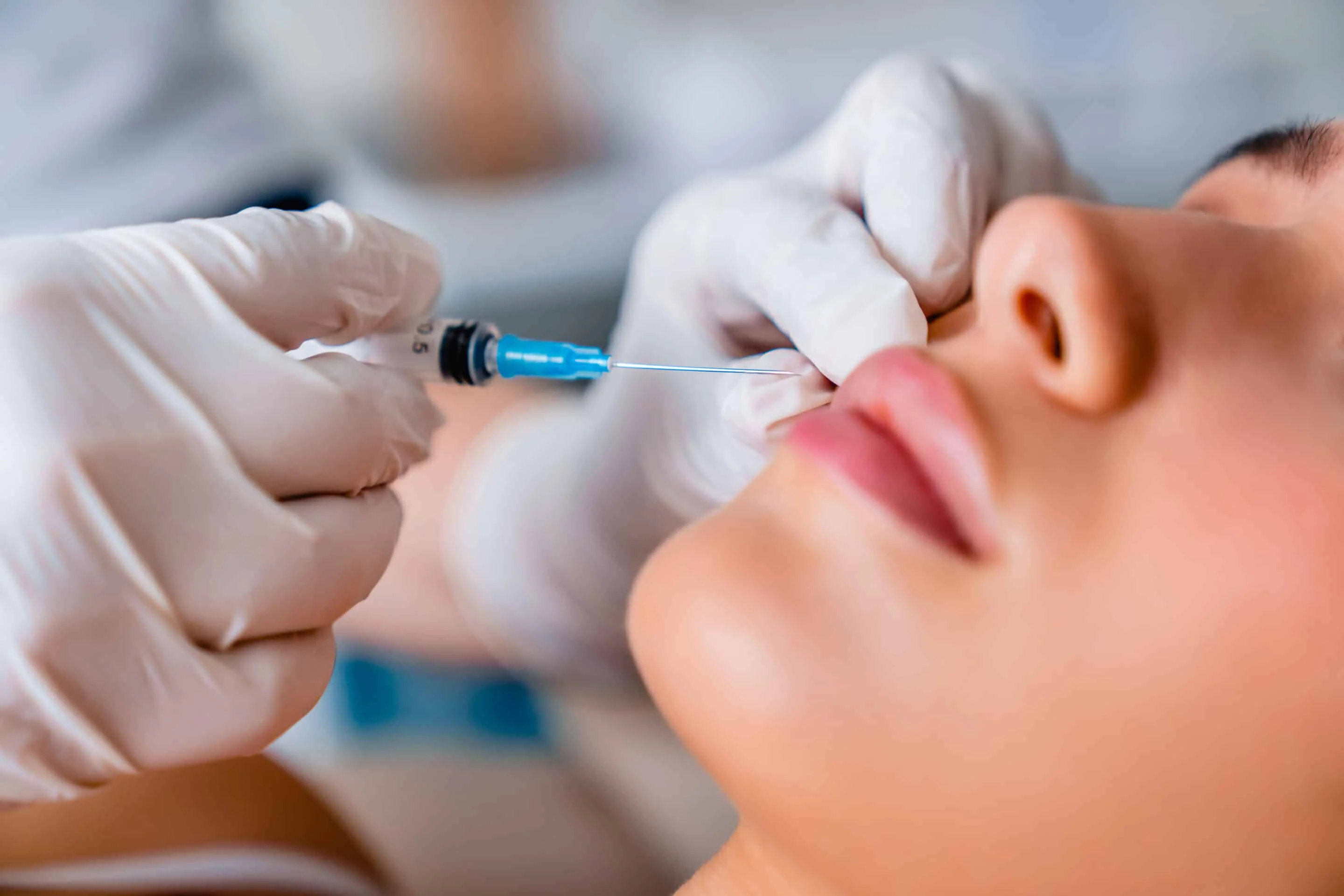
The question of when to begin cosmetic injectables is one of the most common topics discussed during facial consultations. With preventive treatments growing in popularity, men and women are taking a proactive approach to facial rejuvenation earlier than previous generations did.
There is no single chronological age that is best for starting fillers, because structural aging is determined by personal genetics, lifestyle factors, and unique skeletal anatomy. Most patients begin their dermal filler journey at a premium med spa during their mid-20s for proactive structural support, or in their early 30s to mid-40s to reverse the first distinct signs of volume depletion.
|
Life Stage |
Primary Aesthetic Focus |
Common Injection Target Areas |
|
Mid-20s |
Feature Balance & Prevention |
Lip enhancement, chin & jawline profile |
|
30s |
Early Volume Restoration |
Tear troughs, mild nasolabial folds |
|
40s and Beyond |
Structural Lifting & Contours |
Cheeks, deep marionette lines, temples |
When Is the Ideal Time for Preventative Dermal Filler?
The ideal time to start preventative dermal filler is when you notice the initial onset of static lines, which are shadow-like creases that remain visible on the face even when your muscles are completely at rest.
For most individuals, this subtle shift occurs between ages 25 and 32. At this stage, natural hyaluronic acid production gradually declines, reducing the skin’s internal moisture cushion and structural bounce.
Introducing small, highly targeted amounts of dermal filler during this transitional window serves a dual purpose. It addresses minor asymmetries before they become pronounced and provides a physical scaffold that supports the skin, slowing the formation of deeper skin folds over time.
What Happens to Facial Structure in Your 20s, 30s, and 40s?

Facial aging is a continuous process involving skin laxity, fat pad migration, and bone remodeling. Understanding how these changes manifest across different decades reveals why treatment timing varies so significantly for each person.
The 20s: Enhancing Symmetry and Prejuvenation
During your 20s, cellular turnover is efficient and structural collagen remains dense. Dermal filler placement during this decade rarely focuses on anti-aging. Instead, patients seek treatment for prejuvenation or facial optimization.
Common applications include defining a jawline, balancing a recessed chin, or adding subtle volume to the lips. It is also an excellent phase to correct early, persistent under-eye shadows that stem from genetic skeletal structure rather than lack of sleep.
The 30s: Addressing Early Collagen Depletion
In your 30s, the body’s natural collagen production slows down by roughly 1% each year. You might begin to notice that your face looks slightly fatigued, even when you are fully rested.
This happens because the malar fat pads in the cheeks begin to diminish and shift downward. As this volume decreases, early tear troughs appear under the eyes, and mild nasolabial folds start shadowing the area between the nose and the corners of the mouth. Fillers in your 30s focus on replacing this precise, early structural loss to keep the face looking bright and refreshed.
The 40s and Beyond: Deep Volume Restoration and Lifting
By the time you enter your 40s, structural changes become more widespread. Bone resorption reduces underlying skeletal support, and the fat pads that once gave the midface its youthful bounce continue to recede.
This structural shift often causes visible hollowness in the temples, flattened cheek contours, and marionette lines extending downward from the lips toward the jawline. Dermal filler treatments at this stage are designed to lift the tissue, restore deep anatomical volume, and re-establish youthful, balanced facial proportions.
Botox vs. Dermal Fillers: Which Should You Choose First?
|
Neuromodulators (Botox) |
Dermal Fillers (Hyaluronic Acid) |
|
Relaxes overactive muscles |
Physically plumps deep hollows |
|
Treats dynamic expression lines |
Restores lost structural volume |
|
Ideal for foreheads & crow’s feet |
Ideal for cheeks, lips, & jawlines |
Choosing between Botox and fillers depends entirely on the specific type of line or structural change you want to address. Botox is a neuromodulator that temporarily relaxes the underlying muscles responsible for dynamic wrinkles, which are the lines that show up when you smile, frown, or express yourself.
Dermal fillers utilize a smooth, gel-like substance, most frequently made of biocompatible hyaluronic acid, to physically plump areas experiencing volume loss or deep, static folds. If your primary concern is forehead creases or crow’s-feet when you speak, Botox is the appropriate first step. If your goal is to smooth out hollows or restore roundness to your cheeks, dermal fillers are the ideal solution.
Frequently Asked Questions
Can you start dermal fillers in your 20s?
Yes, you can absolutely begin dermal filler treatments in your 20s. During this stage of life, the focus is typically on enhancing natural facial balance, defining features such as the chin or jawline, or augmenting the lips rather than reversing signs of aging.
How long do dermal fillers typically last?
The longevity of dermal fillers generally ranges between 6 and 18 months. The exact duration depends on the specific product formula used, the facial area injected, and how quickly your metabolism naturally breaks down the product.
Will fillers stretch out my skin permanently?
No, professionally administered fillers will not stretch out your skin. When placed precisely by an experienced injector, fillers simply gently expand the tissue to restore natural volume, and the skin safely retracts as the product dissolves over time.
Is it possible to start dermal fillers too early?
Yes, starting fillers too early or over-injecting areas that already have full, youthful fat pads can make the face look unnaturally heavy or puffy. A reputable provider will prioritize your natural anatomy and decline treatment if your tissues do not require structural support.
What is the difference between static and dynamic wrinkles?
Dynamic wrinkles are temporary lines created by active facial expressions, such as frowning or squinting. Static wrinkles are permanent lines that remain visible on the skin even when your facial muscles are completely relaxed, usually signaling a loss of collagen and elasticity.
Ready to Refresh Your Natural Glow?
Determining the ideal time to start your aesthetic journey requires a highly customized look at your unique facial structure. At Quick Aesthetics Med Spa, our expert medical providers specialize in creating beautiful, natural, and balanced outcomes tailored to your personal goals.
Whether you want to explore subtle preventive care or restore youthful contours, we are here to guide you every step of the way. Contact Quick Aesthetics Med Spa today to book your personalized facial consultation.